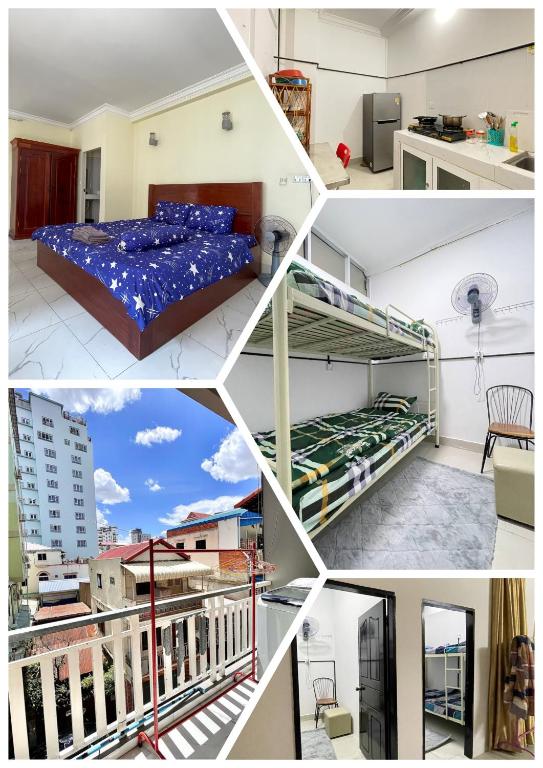
Apartments in BKK1 & Tuol Sleng
Ananta Lavender
Pet-friendly apartments with balconies, a few steps from Tuol Sleng
See today's offersMost trips to Cambodia are built around two places, and that's where our hotels are. Siem Reap is the base for the temples of Angkor, with a large choice of family-run guesthouses, social hostels and small boutique hotels with pools. Phnom Penh, the capital, has the Royal Palace, the National Museum, lively markets and the memorials to the Khmer Rouge years, along with guesthouses, B&Bs and serviced apartments.
Each city has its own page with an area guide, so you can compare places in the same neighbourhood side by side and see whether you'd be walking to dinner or taking a tuk-tuk.
A selection from every destination. Open a destination above to see all of its hotels with filters.
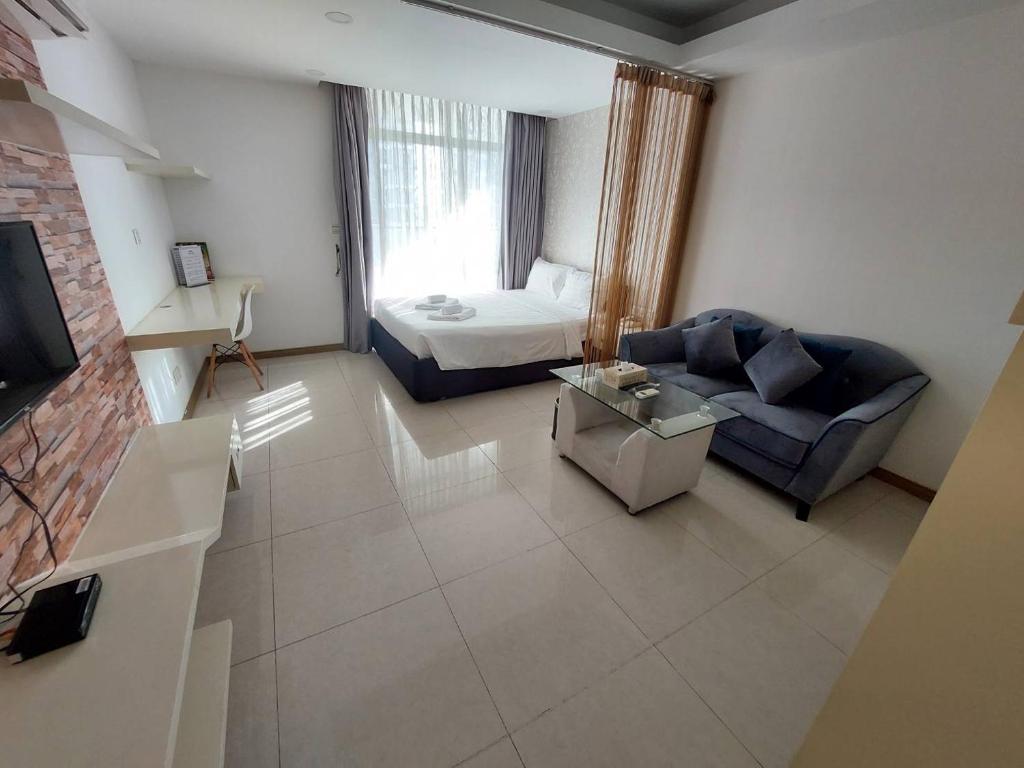
Apartments in BKK1 & Tuol Sleng
Pet-friendly apartments with balconies, a few steps from Tuol Sleng
See today's offersApartments in Tonle Bassac & Diamond Island
Self-catering units with a washing machine and a rooftop pool, near Diamond Island
See today's offersB&B in Russian Market (Toul Tom Poung)
Dutch hosts, family rooms and a breakfast that caters for vegans
See today's offersHotel in Toul Kork & Sen Sok
Non-smoking balcony rooms and an all-day restaurant in Sen Sok
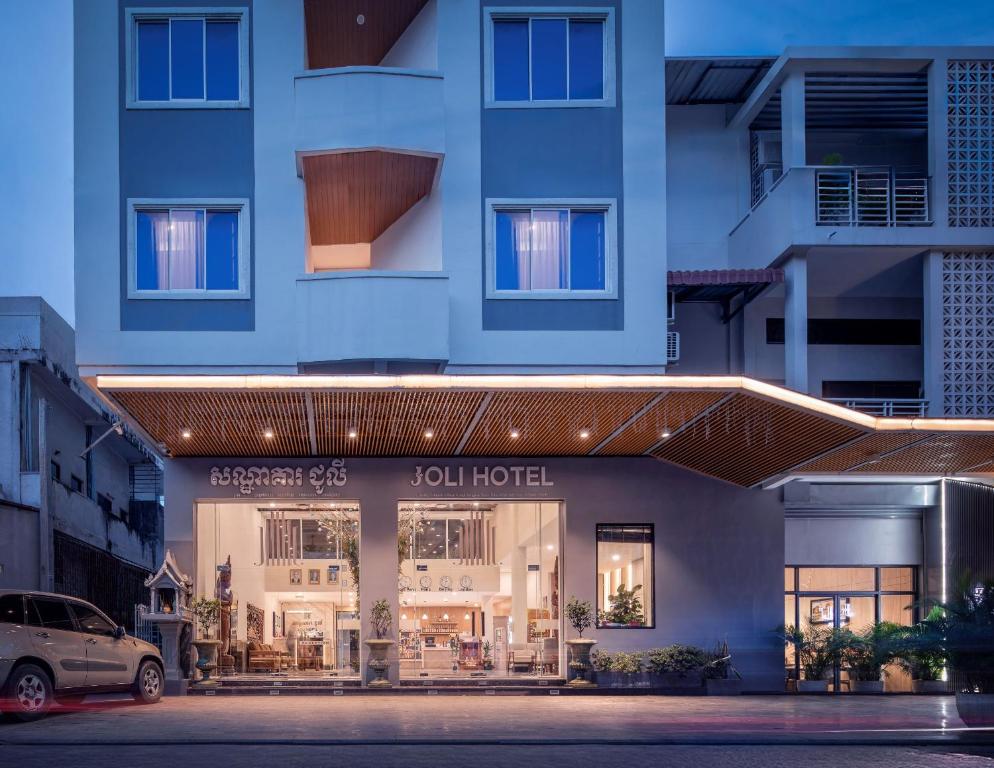
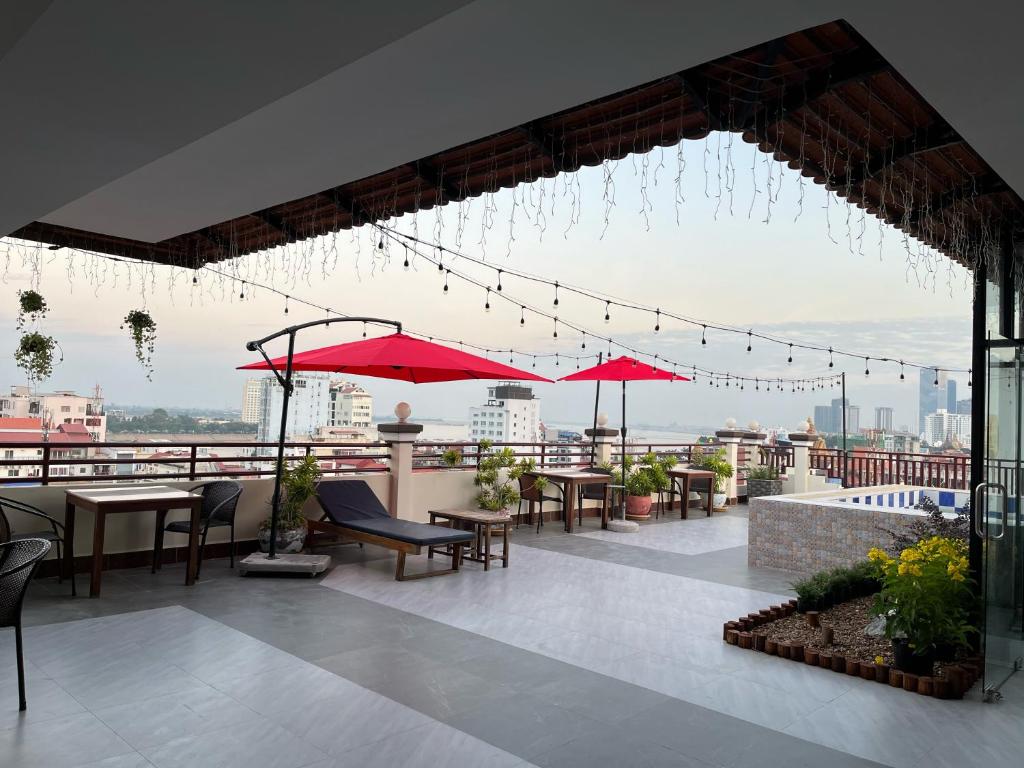
See today's offersHotel in Riverside & Daun Penh
A rooftop pool and bar in the old centre, near Wat Ounalom
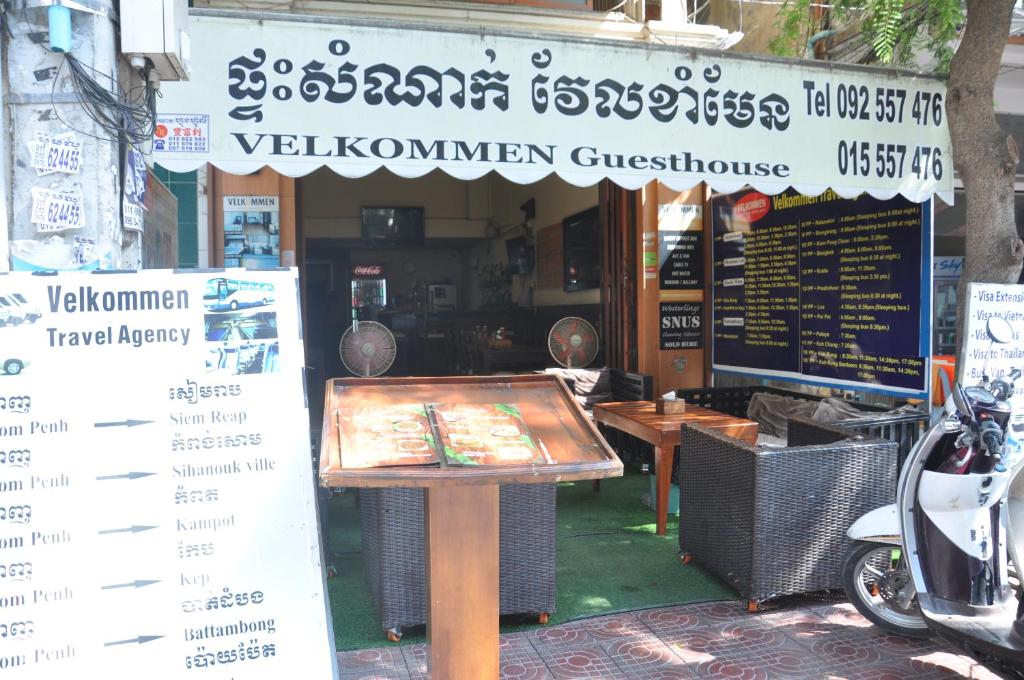
See today's offersGuesthouse in Riverside & Daun Penh
Balcony rooms and a 24-hour desk, just off the riverside promenade
See today's offersHotel in Taphul
A quieter street in Taphul, close to the centre and 15 minutes from Angkor Wat
See today's offersHomestay in Siem Reap
A family-run homestay with a garden, massages and Khmer home cooking
See today's offersThe dry season, roughly November to April, is the most popular time to visit; November to February is also the coolest, while March to May is very hot. The rainy season, from about May to October, usually brings heavy afternoon downpours rather than all-day rain, fewer visitors and a green landscape around the temples.
The two cities are linked by buses and minivans, which take roughly 5 to 7 hours depending on the service, and by short domestic flights. Both cities have new international airports outside town: Siem Reap–Angkor International opened in 2023 and Techo International in Phnom Penh took over all flights in 2025, so allow extra time for the transfer.
US dollars are widely used for hotels, tours and larger purchases alongside the Cambodian riel, which often appears as small change. In both cities, tuk-tuks and ride-hailing apps such as PassApp and Grab are the usual way to get around.
Visa rules, including the e-visa and visa-on-arrival options, and health advice can change. Check the latest guidance from the UK government (gov.uk foreign travel advice) or your own country's equivalent before you book.
A common plan is three or four nights in Siem Reap, which allows two or three days at the temples, plus two or three nights in Phnom Penh. Add a few days more if you want to reach the coast or the countryside.
Either works. Many people fly into one and out of the other, travelling between them by bus or a short flight, so it often comes down to which route has the better flights for your dates.
In Siem Reap. The main temples start a few kilometres north of town, and there's a far bigger choice of hotels, restaurants and transport there than anywhere closer to the park.
No. We compare hotels and link to booking partners, where you check live prices and book directly with them.