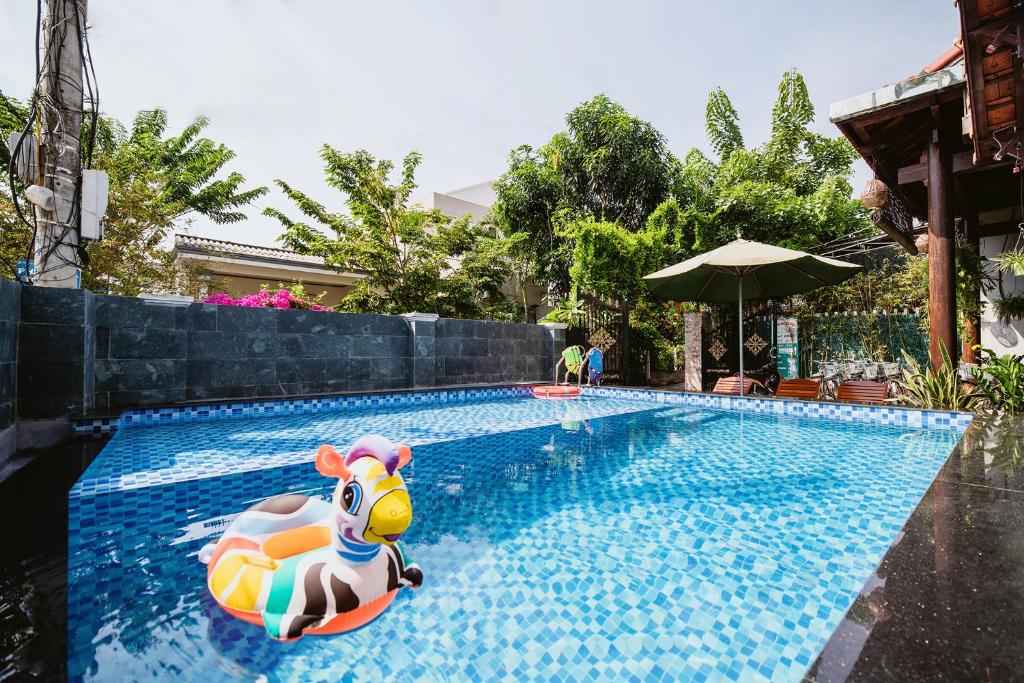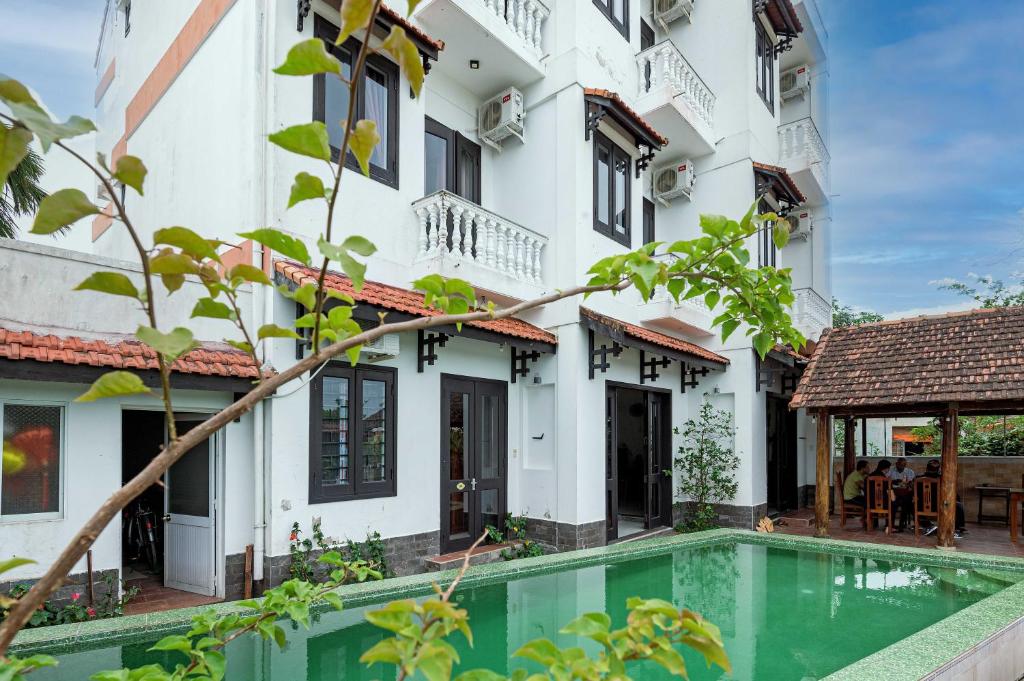
Hotel in Cam Nam island
Blue River Boutique Hoi An Hotel
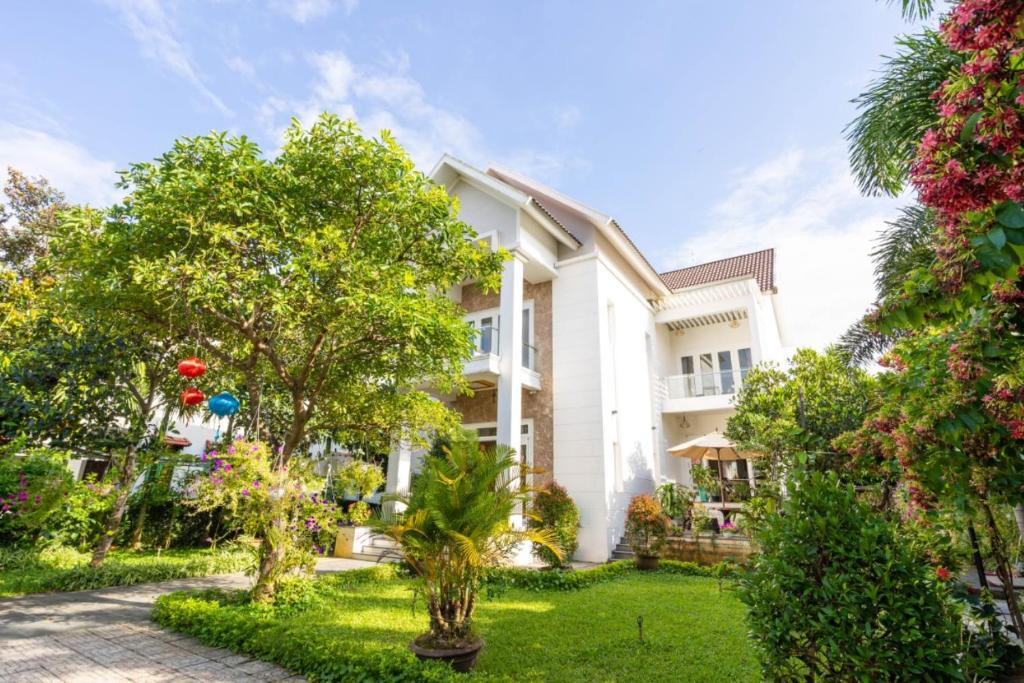
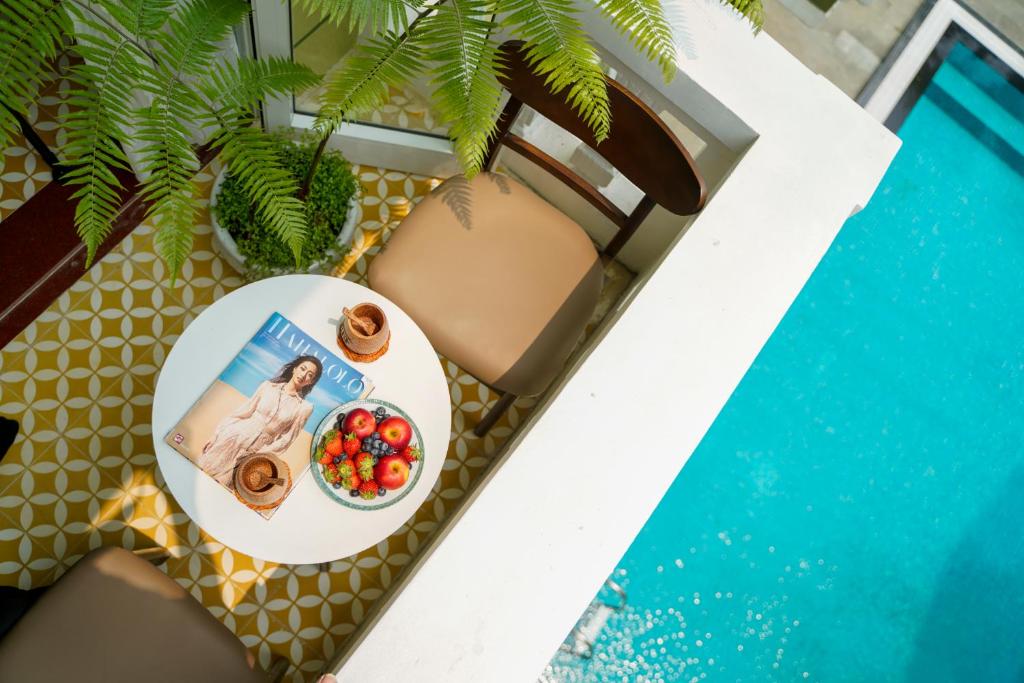
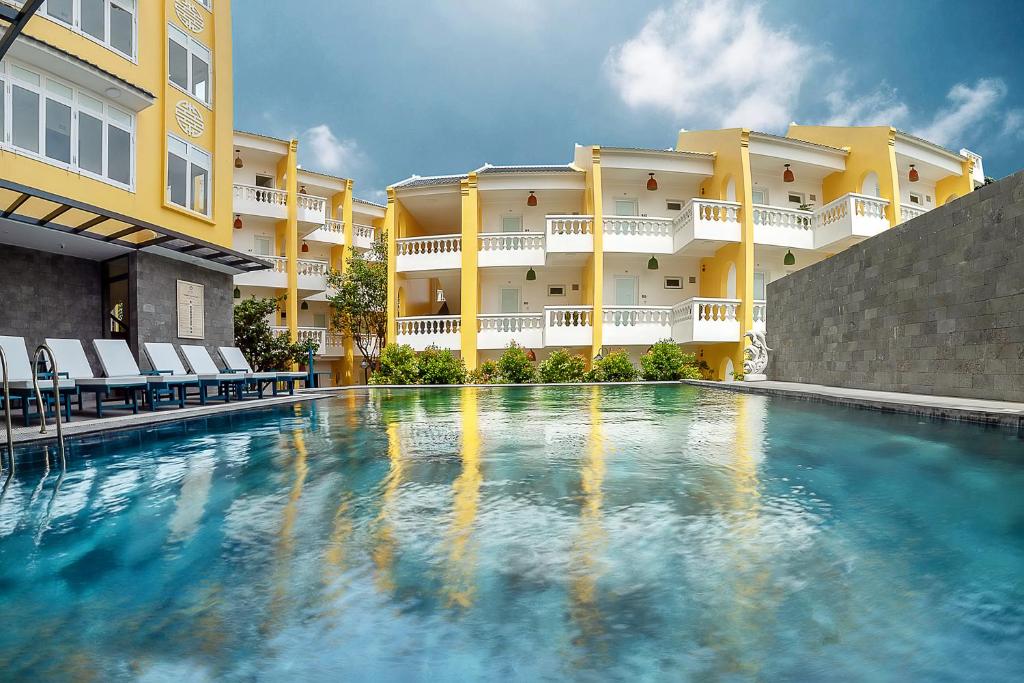
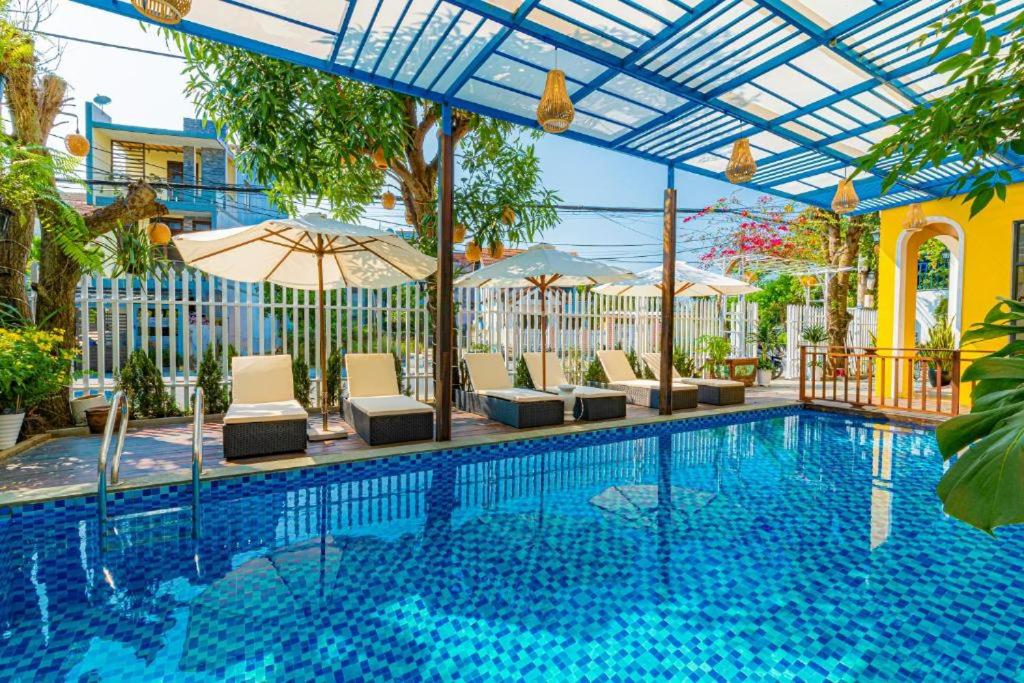
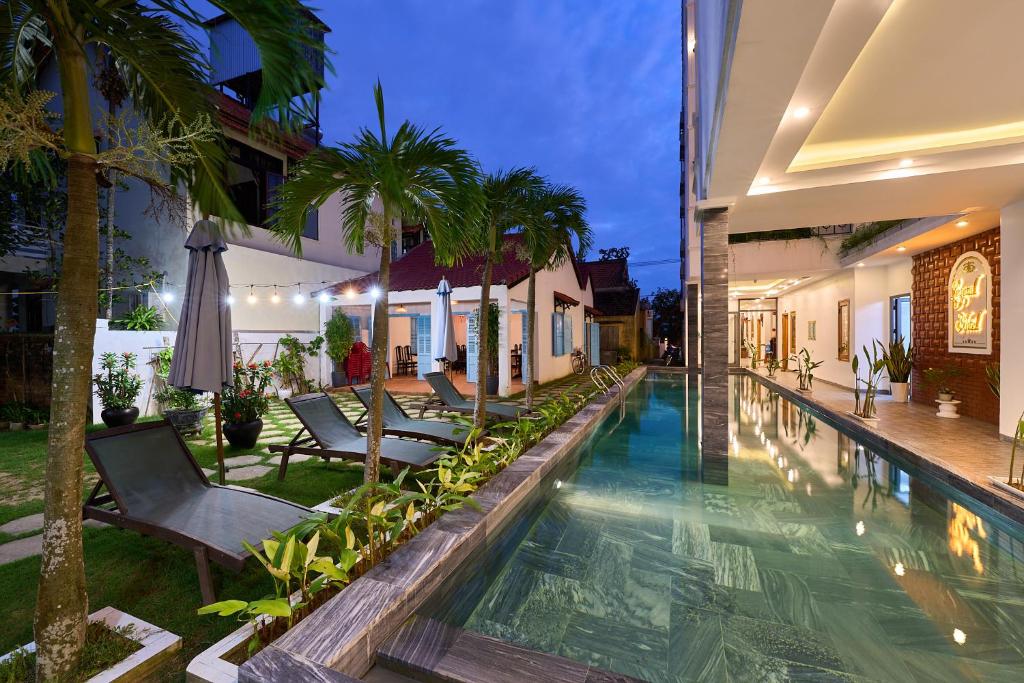
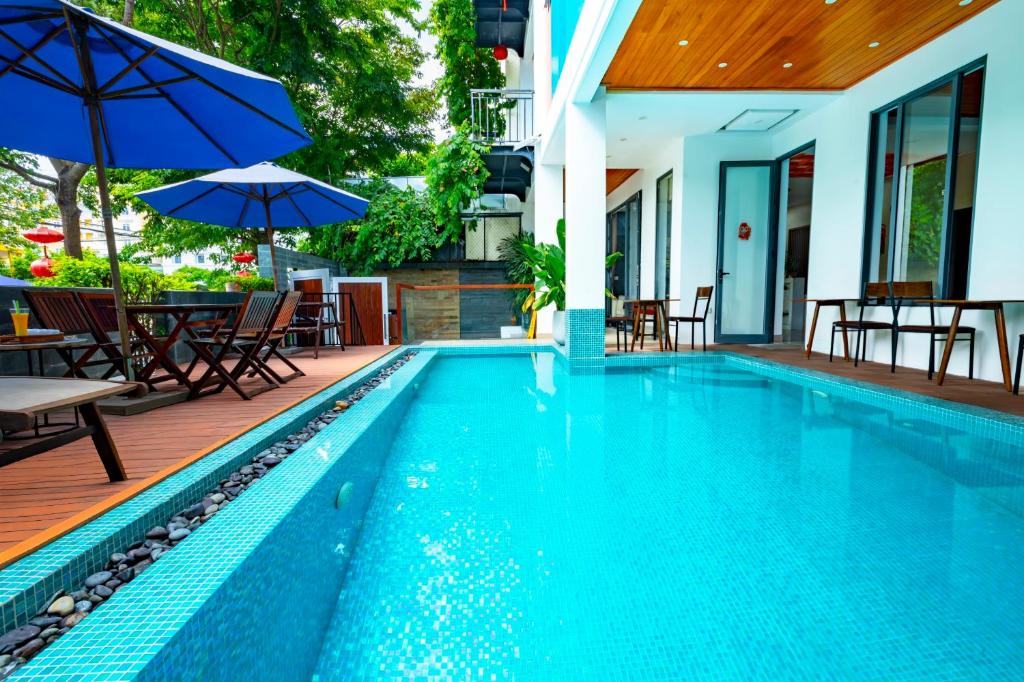
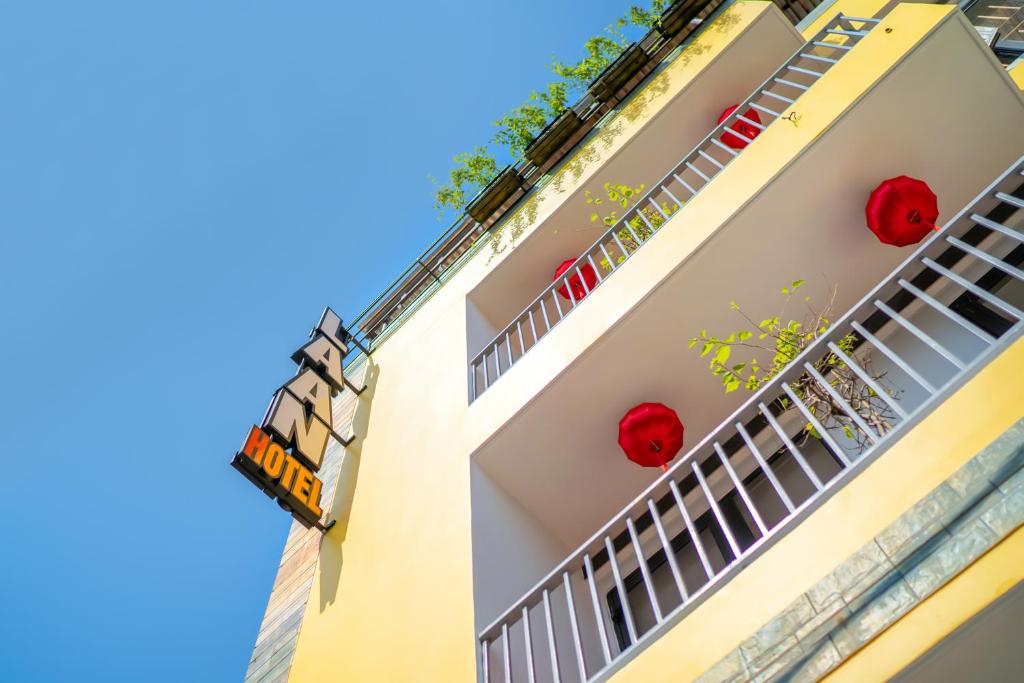
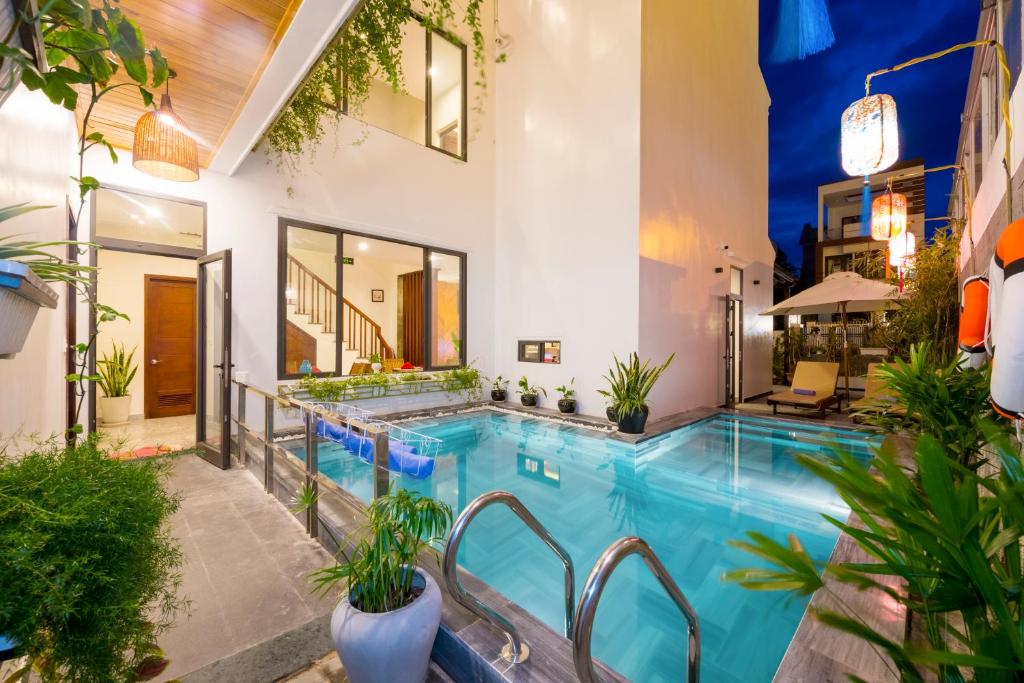
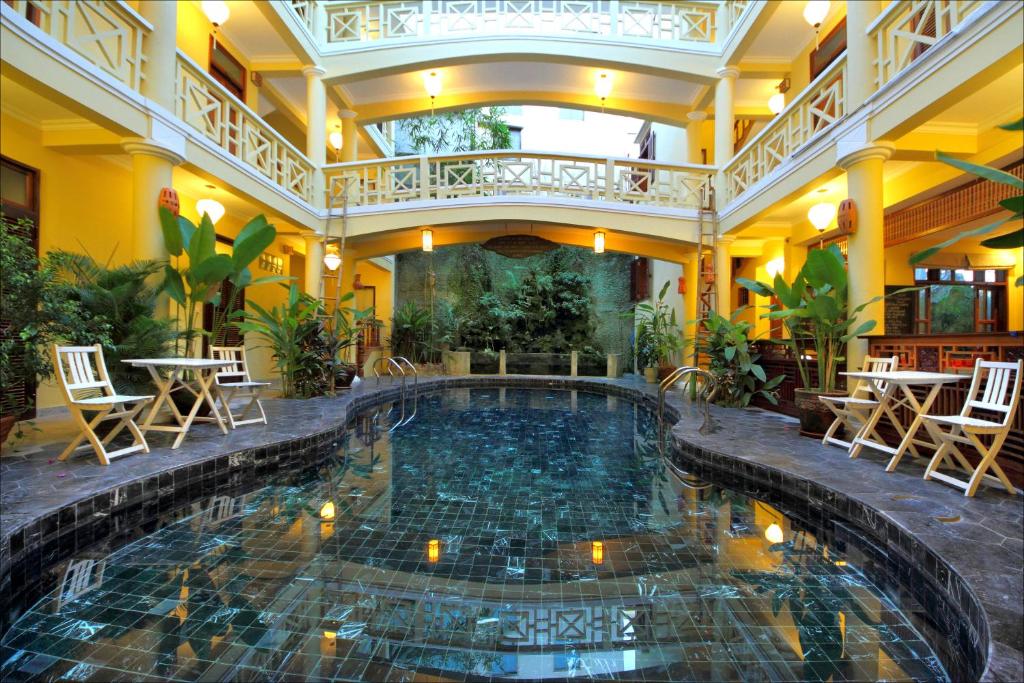
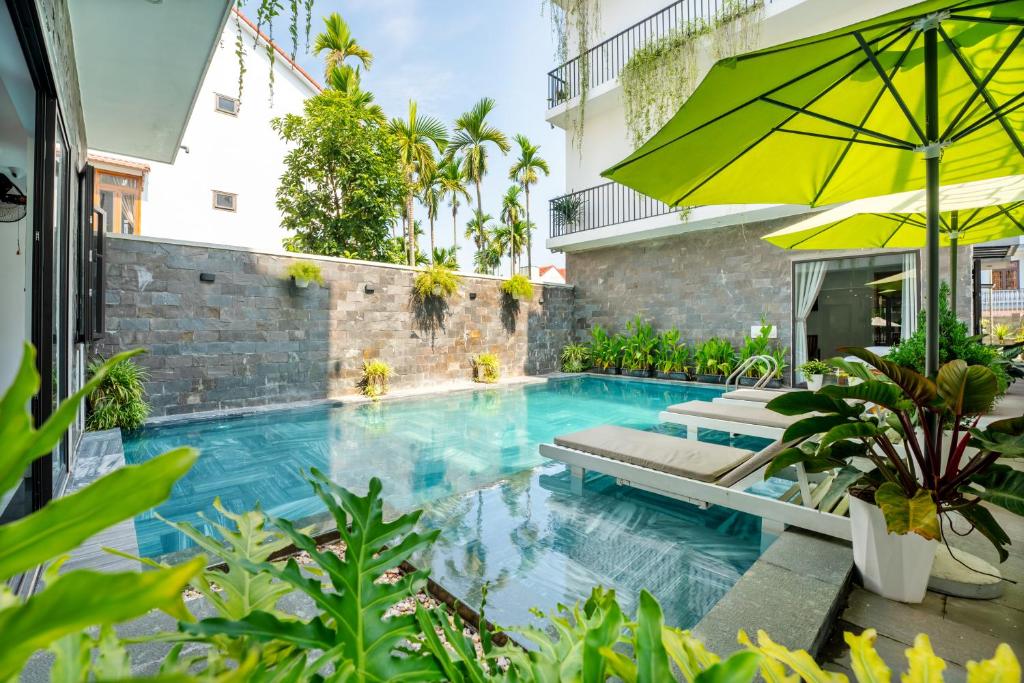
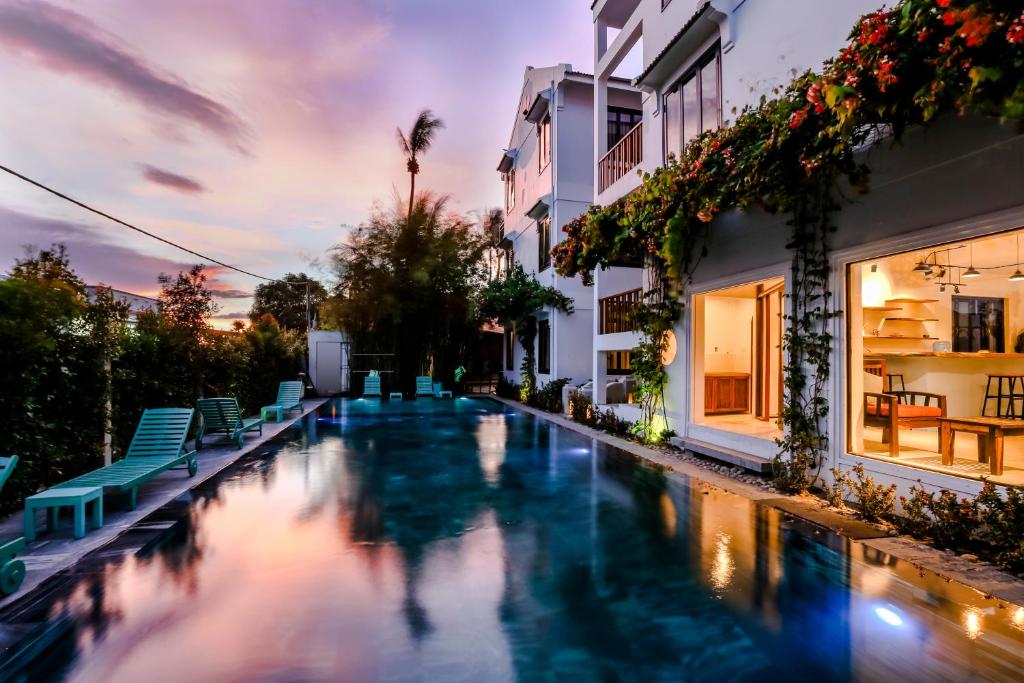
A rooftop pool with views across Hoi An, and balconies facing the garden or the river
See today's offersHoi An grew rich as a trading port between the 15th and 19th centuries, and its riverside Ancient Town, a UNESCO World Heritage Site since 1999, still has the wooden merchant houses, Chinese assembly halls and the Japanese Covered Bridge from that era. In the evening the lanes fill with silk lanterns and boats carry candles out on the Thu Bon River.
Beyond the old streets the town opens out quickly into rice fields, vegetable gardens and waterways, with two beaches a short bike ride away. That makes the choice of area a real one: sleep a few minutes' walk from the lanterns, or further out with paddy views and a pool, cycling in when you want to. Most of the places we list are family-run villas, homestays and small boutique hotels, many with free bicycles. Filter them by area and features below, or read the area guide first.
25 hotels
Hotel in Cam Nam island
A rooftop pool with views across Hoi An, and balconies facing the garden or the river
See today's offersHotel in Cam Nam island
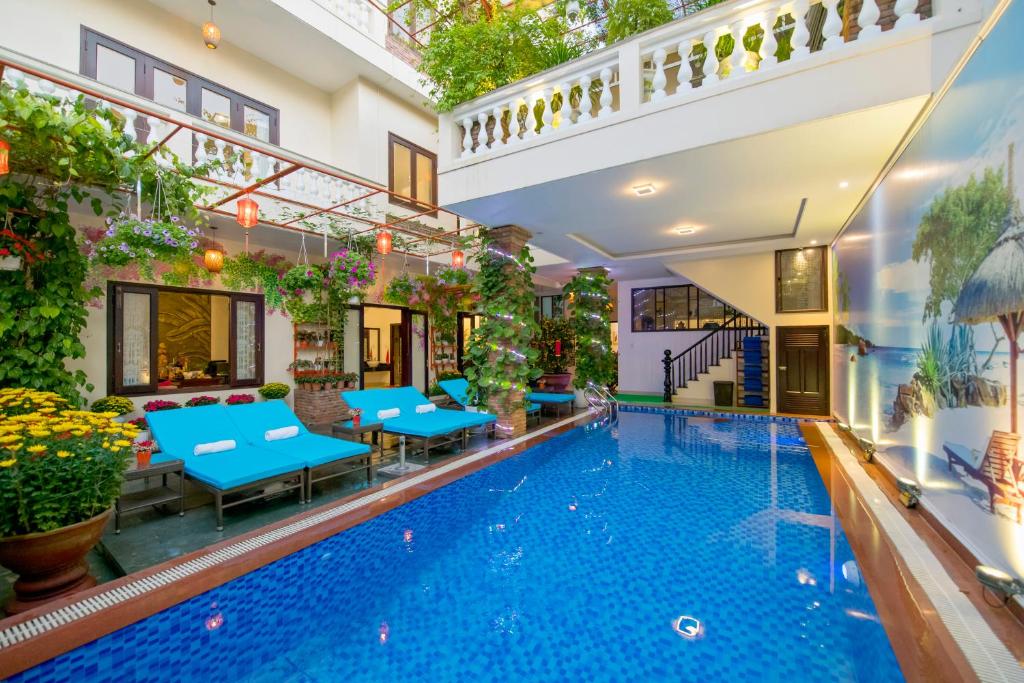
A spa, a pool and pizza or pho on the menu, just over the bridge from the old town
See today's offersVilla in Hoi An
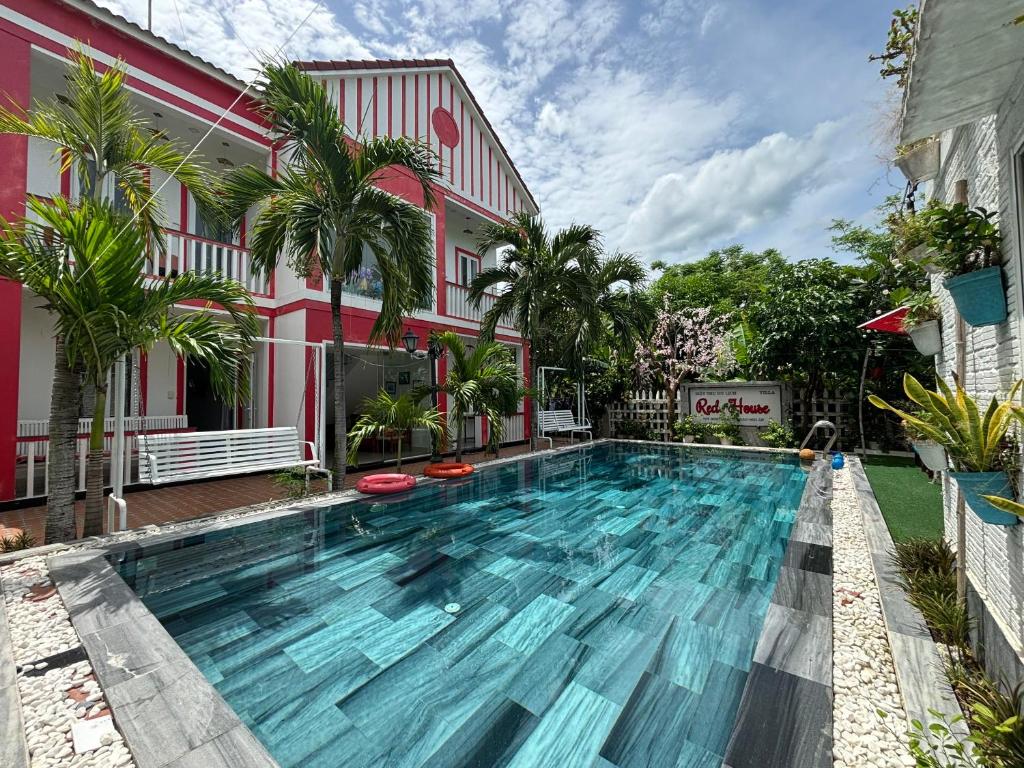
Soundproofed rooms and a sunset terrace on the far bank of the Thu Bon
See today's offersHomestay in Cam Nam island
Garden and lake views, free bikes and a barbecue, 2.3 km from the Ancient Town
See today's offersHotel in Ancient Town
A pool and free bikes on the northern edge of the old town, six minutes from the Historic Museum
See today's offersHomestay in Ancient Town
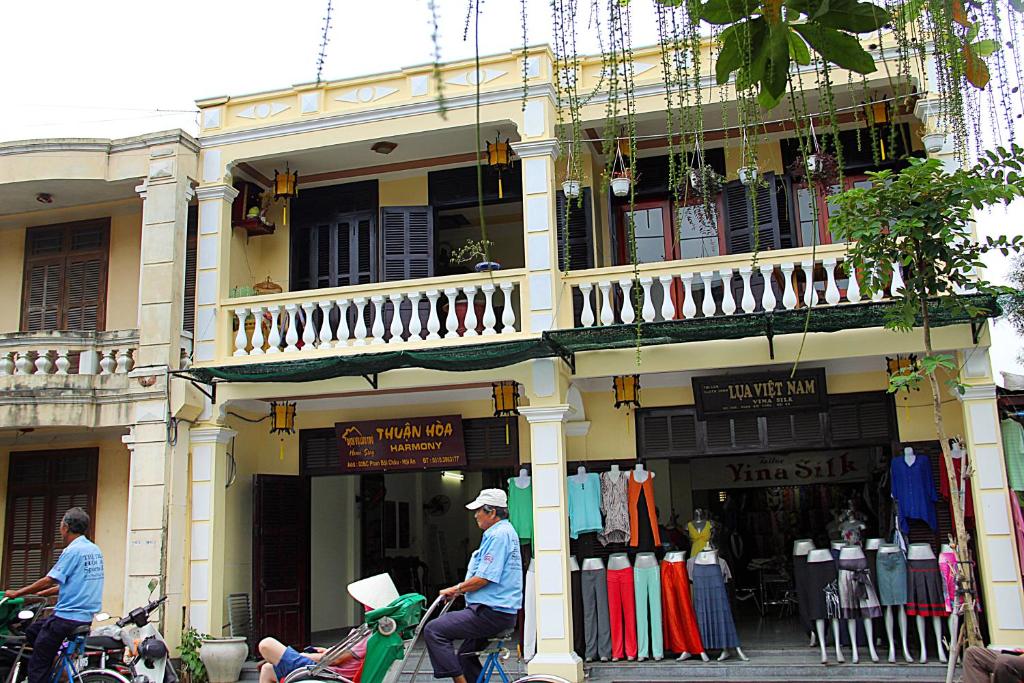
Garden-view rooms on Phan Boi Chau, 200 metres from the Chaozhou Assembly Hall
See today's offersVilla in Son Phong, Cam Pho & Tan An
A year-round pool and gardens, a 13-minute walk from the Historic Museum
See today's offersHotel in Cam Chau & the Cua Dai road
Balconies over the river or rice fields on the road between the old town and Cua Dai
See today's offersHomestay in Cam Nam island
Balcony family rooms over the garden or a lake, a short walk across the bridge from the old town
See today's offersVilla in Son Phong, Cam Pho & Tan An
An infinity pool, family rooms and free bikes in the quiet streets north of the old town
See today's offersHotel in Son Phong, Cam Pho & Tan An
A library, a hot tub and an outdoor pool, five minutes on foot from the Ancient Town
See today's offersVilla in Cam Chau & the Cua Dai road
Family rooms, a pool and a children's play area beside the river, with free bikes for the ride into town
See today's offersHostel in Cam Chau & the Cua Dai road
A pool, a gym and a sauna in the quieter streets east of the old town
See today's offersHotel in Cam Nam island
Two pools, one inside and one out, across the bridge from the old town
See today's offersVilla in Ancient Town
A pool with a view and a restaurant, eight minutes on foot from the Covered Bridge
See today's offersHotel in Ancient Town
A garden pool and a restaurant serving local dishes, in the middle of the historic centre
See today's offersVilla in Ancient Town
A garden pool and family rooms less than a kilometre from the Covered Bridge
See today's offersVilla in Son Phong, Cam Pho & Tan An
French-inspired suites with balconies, 700 metres from the Historic Museum
See today's offersHomestay in Cam Chau & the Cua Dai road
A homestay with a year-round pool and free bikes, two kilometres from the old town
See today's offersHostel in Cam Chau & the Cua Dai road
A pool, a bar and free bikes, a 16-minute walk from the old town's sights
See today's offersVilla in Son Phong, Cam Pho & Tan An
Soundproofed rooms, a shared kitchen and free bikes, two kilometres north of the Covered Bridge
See today's offersHotel in Ancient Town
A pool, a bar and garden-view rooms a short walk north of the lantern-lit lanes
See today's offersVilla in Cam Nam island
A restaurant, a bar and a year-round pool on Cam Nam's main road
See today's offersResort in Tra Que & Cam Ha
Balcony rooms among the herb gardens of Tra Que, with free bikes for the ride into Hoi An
See today's offersVilla in Son Phong, Cam Pho & Tan An
Kitchenette rooms around a quiet garden, about 500 metres from the Historic Museum
See today's offersNo hotels match all of those filters. Remove a feature or choose another area to see more.
"Our order" puts hotels we have fully written up first. Commission doesn't affect the order.
Everything here is within cycling distance. The Ancient Town sits on the north bank of the Thu Bon, with An Hoi and Cam Nam islands just across the water, quiet residential streets to the north, and the road to Cua Dai running east past rice fields towards the coast.
Best for walking to the lanterns and the sights
The historic core runs along Tran Phu, Nguyen Thai Hoc and Bach Dang streets, from the Japanese Covered Bridge east to the central market. Shops, tailors, cafés and restaurants occupy the old houses, and the central lanes are closed to most motor traffic for much of the day. Staying here, or on the streets just around it, means you can see the town early in the morning before the tour groups and walk back after dinner. Expect smaller hotels without much outdoor space, and evening crowds at the busiest spots.
Best for the night market and river views
A small island directly opposite the old town, reached by a footbridge from Bach Dang Street. Its riverbank is lined with bars and restaurants facing the lanterns, and the night market sets up here every evening. It's the liveliest place to stay after dark, and handy for the boats that take visitors out to float candles on the river.
Best for quieter streets within walking distance
The residential neighbourhoods north of the old town have plenty of villas and small hotels with pools, often down quiet lanes. Most are a 10 to 20-minute walk from the Covered Bridge or a few minutes by bike, and local eateries and coffee shops are close by. It's a good compromise if you want space and calm at night without being far from the centre.
Best for local food and a calmer base
A long, low island across the Cam Nam bridge from the eastern end of the old town. Nguyen Tri Phuong, its main road, has a growing number of villas and homestays, while the eastern end is still mostly gardens and fishponds. The centre is roughly 10 to 20 minutes away on foot from the hotels nearest the bridge; further east, a bicycle makes more sense.
Best for pools, paddies and cycling
East of the old town, the road to Cua Dai runs past rice fields, small canals and the De Vong river. Many of Hoi An's mid-range villas and riverside hotels are here, usually with a pool and free bicycles. The old town is about 2 to 3 km away and the beaches a similar distance in the other direction, so this area suits people who want both and don't mind a short ride.
Best for a rural stay between town and beach
Tra Que is a village of herb and vegetable gardens north-east of town, known for its fragrant greens and the cooking classes and farming experiences run there. Staying around Tra Que and Cam Ha puts you among fields, roughly halfway between the old town and An Bang Beach, both an easy cycle away.
Best for nature and basket-boat trips
Further east, towards the river mouth, the countryside turns to water coconut palms and channels, where round bamboo basket boats take visitors out on the water. Homestays here are surrounded by greenery and very quiet; you'll rely on a bicycle, taxi or the hotel for trips into town.
Best for beach days
An Bang, around 4 to 5 km north of the old town, is the more popular beach, with seafood restaurants and beach bars behind the sand. Cua Dai, to the east, has been badly affected by erosion in recent years. Staying on the coast suits a beach-first trip, with the old town a 15-minute taxi ride away.
The Ancient Town or the streets just north of it, if you want to walk to the lanterns, restaurants and sights. Cam Nam island and An Hoi are also within walking distance and a little calmer than the busiest lanes.
It depends on how you want to spend your days. In the old town you can walk everywhere in the evenings, while An Bang suits a beach holiday. Many people choose the countryside in between, around Cam Chau or Tra Que, and cycle to both.
By taxi, ride-hailing app or a pre-booked transfer; the drive is roughly 45 minutes. Many villas and hotels can arrange a pick-up. Public buses also run between Da Nang and Hoi An, but they're slower and less convenient with luggage.
Heavy rain usually falls from about September to December, and the riverside streets of the old town sometimes flood in October and November. February to April is generally warm and drier, and June to August is the hottest time of year.
Since the 2025 provincial mergers, Hoi An has been administered as part of Da Nang, so you may see addresses written either way.