Hotel in Wat Xieng Thong & the peninsula tip
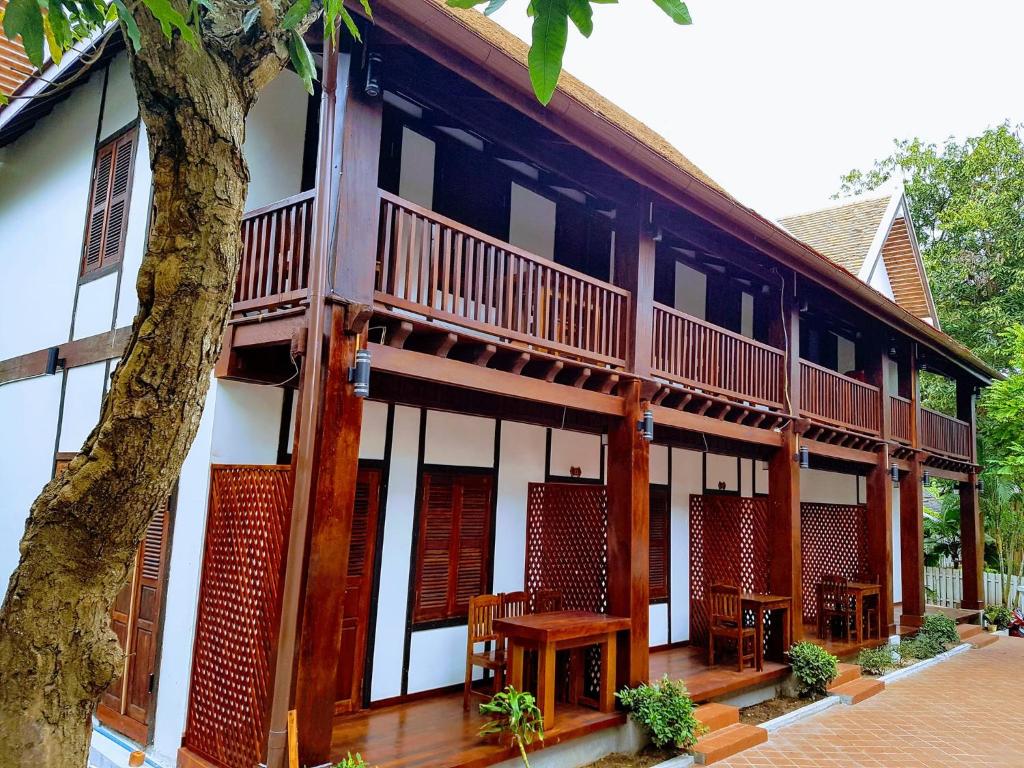
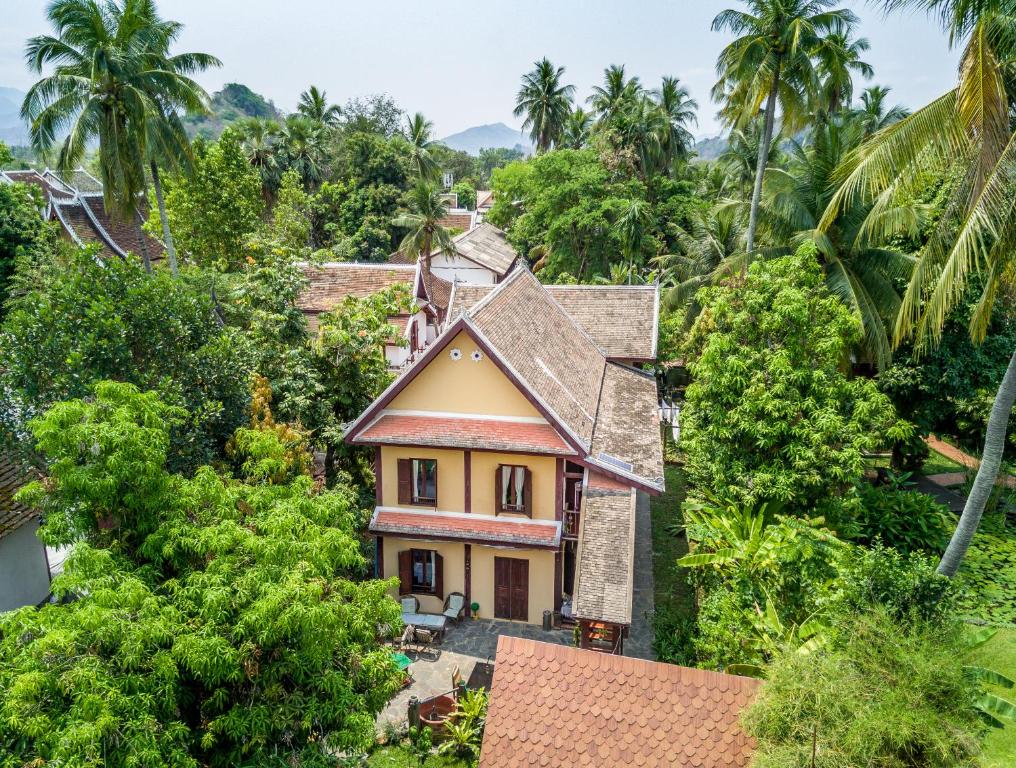
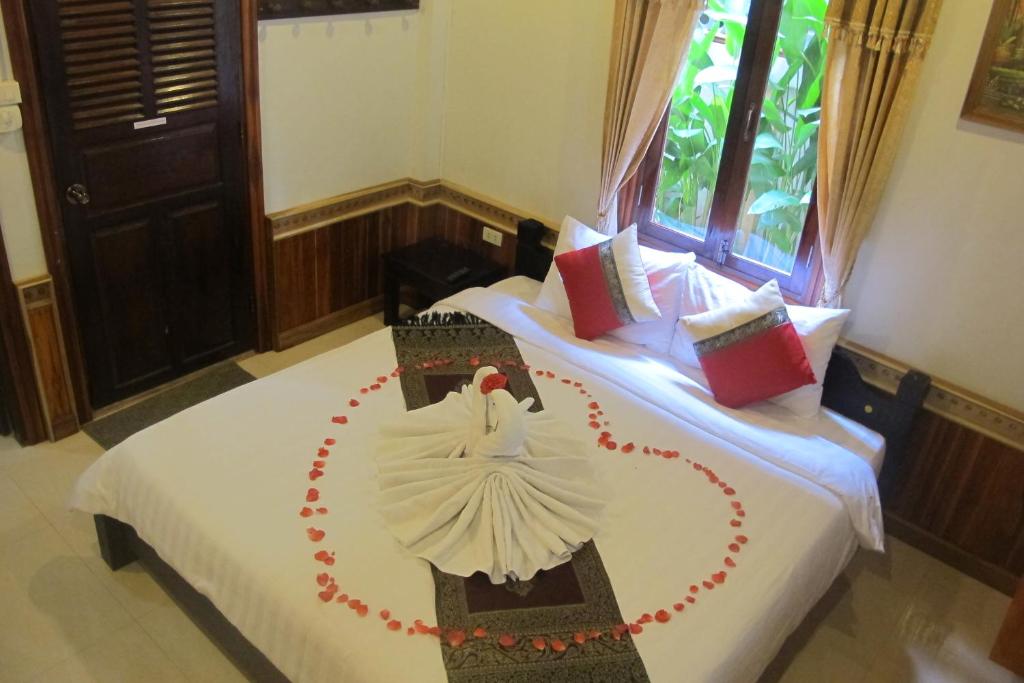
Chaluenxay Boutique Hotel
Family rooms, a garden terrace and a bar, close to Wat Xieng Thong and Wat Mai
See today's offersLuang Prabang, the former royal capital of Laos, sits on a narrow peninsula where the Nam Khan flows into the Mekong. Its old town has been a UNESCO World Heritage Site since 1995, protected for its gilded Buddhist temples and the way traditional Lao wooden houses sit alongside French colonial villas. Saffron-robed monks are part of daily life here, most visibly at the dawn alms round.
The town is small and best seen on foot or by bicycle. Most of the places we list are family-run villas and guesthouses inside or close to the heritage zone, many in restored houses with balconies over a garden or one of the rivers. Filter them by area below, or read the area guide first.
14 hotels
Hotel in Wat Xieng Thong & the peninsula tip
Family rooms, a garden terrace and a bar, close to Wat Xieng Thong and Wat Mai
See today's offersVilla in Wat Xieng Thong & the peninsula tip
Balcony rooms and an outdoor fireplace, a three-minute walk from Wat Xieng Thong
See today's offersVilla in Wat Xieng Thong & the peninsula tip
Wooden floors and garden-view balconies right beside Wat Xieng Thong
See today's offersVilla in Wat Xieng Thong & the peninsula tip
Family rooms with a balcony and terrace, a shared kitchen and a big breakfast, near Wat Xieng Thong
See today's offersGuesthouse in Phousi Hill & the night market
Simple rooms by Wat Mai, two minutes from the night market
See today's offersHotel in Luang Prabang
An outdoor pool and Lao-style architecture within walking distance of the night market
See today's offersHotel in South of Phousi: Dara Market & Wat Visoun
A small inn with its own travel service, near the Traditional Arts and Ethnology Centre
See today's offersHotel in Nam Khan riverside
A family-run hotel with balconies over the Nam Khan
See today's offersGuesthouse in Phousi Hill & the night market
A quiet guesthouse two minutes on foot from Wat Ho Xiang
See today's offersHotel in Nam Khan riverside
Private balconies over the Nam Khan, below the slopes of Mount Phousi
See today's offersHostel in Phousi Hill & the night market
A social hostel with a restaurant and terrace views, steps from the night market
See today's offersVilla in Nam Khan riverside
A garden and a view terrace a few steps from the Nam Khan
See today's offersVilla in South of Phousi: Dara Market & Wat Visoun
Spacious rooms with private terraces and a garden in a Lao-style villa
See today's offersVilla in Wat Xieng Thong & the peninsula tip
A shared lounge, massages and river-view balconies in the lanes of Ban Khili
See today's offersNo hotels match all of those filters. Remove a feature or choose another area to see more.
"Our order" puts hotels we have fully written up first. Commission doesn't affect the order.
The whole peninsula can be crossed on foot in about half an hour. The main street, Sisavangvong Road, runs along its spine past the Royal Palace and the foot of Phousi Hill to Wat Xieng Thong at the tip, with the Mekong on one side and the Nam Khan on the other.
Best for heritage lanes and quiet mornings
The north-eastern tip of the peninsula, around Wat Xieng Thong, the town's most celebrated temple, is the most atmospheric part of the heritage zone. Lanes of old wooden houses and colonial villas run between the two rivers, and in the early morning the alms round passes along the main road. Evenings are quiet, and the night market is about 15 minutes' walk away.
Best for first visits and evening strolls
The centre of town, around the Royal Palace (now the National Museum), Wat Mai and the steps up Phousi Hill, whose summit stupa is a favourite sunset viewpoint. Each evening Sisavangvong Road closes to traffic for the night market, with rows of textiles, paper lanterns and street food stalls. Staying here puts the most restaurants, cafés and tour agencies on your doorstep.
Best for river views
The smaller of the two rivers runs along the south-eastern side of the peninsula, below the eastern slopes of Phousi. Guesthouses and cafés line the riverbank road, many with terraces facing the water and the green hills beyond. In the dry season, seasonal bamboo footbridges cross the Nam Khan to the villages on the far bank.
Best for sunsets over the water
The road along the Mekong, on the north-western side of the peninsula, has riverside restaurants and boat landings for trips upriver to the Pak Ou caves. The river is wide here, and the views across it are at their best in the late afternoon.
Best for quieter streets and longer stays
Beyond the southern foot of Phousi the town becomes more residential, with everyday markets, local eateries and some of the oldest temples, such as Wat Visoun. The Traditional Arts and Ethnology Centre and the UXO Laos Visitor Centre are both in this part of town. You're still within walking distance of the night market, and rooms here can feel more local and less touristy than on the peninsula.
Anywhere on the old town peninsula. Around Phousi Hill and the night market you'll have the most restaurants on your doorstep, while the lanes near Wat Xieng Thong and along the Nam Khan are quieter but still only a short walk from the centre.
The monks' alms round takes place at dawn along the main streets of the old town. Watch quietly from the other side of the road, dress modestly, don't use flash and keep your distance. Only take part if it means something to you, and buy sticky rice from a reputable source rather than street sellers.
Luang Prabang International Airport is a short drive from the old town, and taxis and vans wait outside arrivals. The railway station is further out, so allow more time from there. Many guesthouses can arrange a pick-up; check current options and fares before you travel.
November to February is dry and the most comfortable, with cool mornings, and also the busiest time. March and April are hot and can be hazy from agricultural burning. The rainy season, roughly May or June to October, brings lush scenery, fewer visitors and full waterfalls.
Yes. The turquoise pools of Kuang Si are around 30 km south of town, a common half-day trip by tuk-tuk, minivan or with a tour arranged by your hotel.