Hotel in Old City
Cheeva Dee Hotel
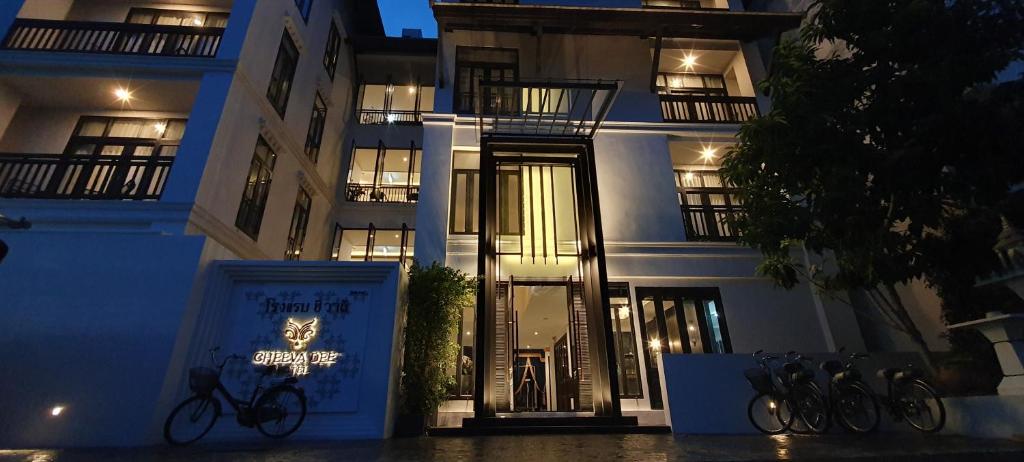
An indoor pool, a restaurant and a tour desk on a quiet lane by Wat Phra Singh
See today's offersChiang Mai was founded in 1296 by King Mengrai as the capital of the Lanna kingdom, and its moated Old City is still packed with temples behind sections of old brick wall. Northern Thailand's largest city is far more relaxed than Bangkok, with cooler evenings for much of the year, mountains on the western skyline and a food scene built around dishes such as khao soi.
Distances are short. The airport is just south-west of the Old City, and most of the areas worth staying in are a few minutes apart by red songthaew or ride-hailing car. The question is mostly what you want on your doorstep: temples, cafés or markets. The places we list are small, independent hotels and guesthouses, so filter them below or read the area guide first.
4 hotels
Hotel in Old City
An indoor pool, a restaurant and a tour desk on a quiet lane by Wat Phra Singh
See today's offersGuesthouse in Old City
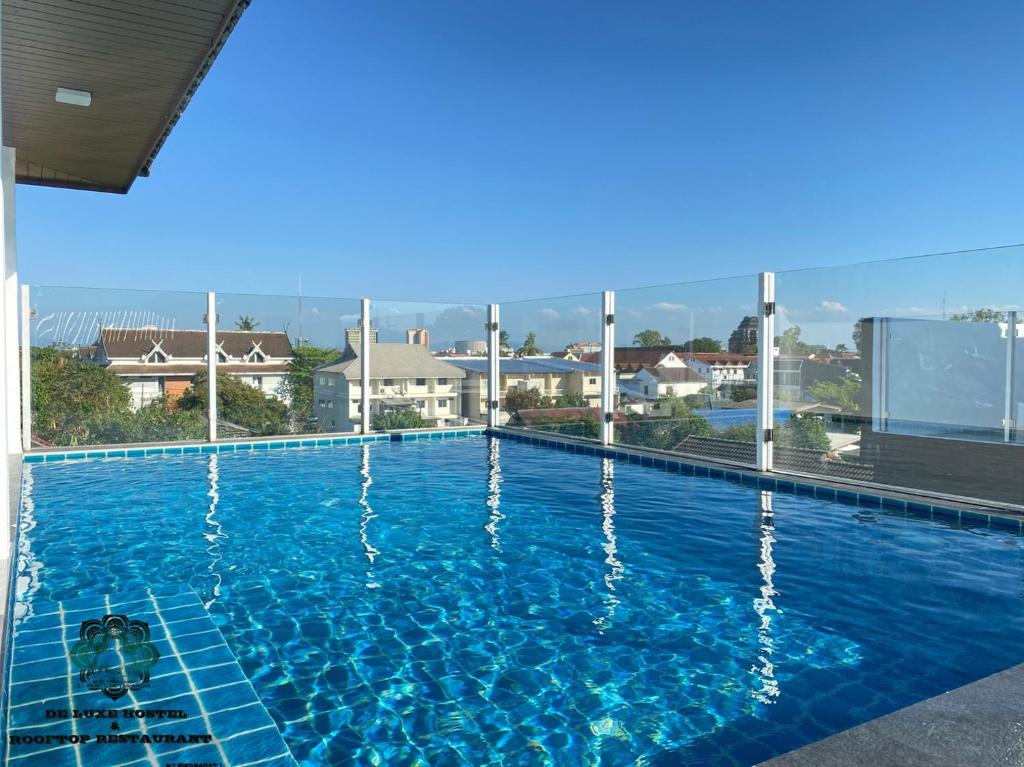
An adults-only guesthouse with a rooftop pool, six minutes on foot from Wat Phra Singh
See today's offersGuesthouse in Old City
Family rooms, a Thai restaurant and bike hire, steps from Wat Phra Singh
See today's offersHotel in Chiang Mai
Gardens, terraces and parking in a quiet suburb near the 700th Anniversary Stadium
See today's offersNo hotels match all of those filters. Remove a feature or choose another area to see more.
"Our order" puts hotels we have fully written up first. Commission doesn't affect the order.
Most visitors stay inside or just outside the Old City square. Nimman lies to the west towards the university and Doi Suthep, the Night Bazaar and the Ping River to the east, and Chang Phueak to the north.
Best for temples and first visits
The square inside the moat, roughly a kilometre and a half on each side, is the historic heart of the city. Wat Phra Singh stands at the western end of Ratchadamnoen Road and the ruined chedi of Wat Chedi Luang near the centre, with quiet lanes of guesthouses, cafés and massage shops in between. On Sundays, Ratchadamnoen Road becomes a long walking-street market from Tha Phae Gate, and the Saturday market runs along Wua Lai Road just south of the walls. The western side, around Wat Phra Singh, tends to be calmer than the backpacker streets near Tha Phae Gate.
Best for cafés and digital nomads
Nimmanhaemin Road and its numbered sois, west of the Old City near Chiang Mai University, are the city's modern side: speciality coffee, co-working spaces, small bars and the Maya and One Nimman shopping centres. It's popular with longer-stay visitors and remote workers, and it's the closest area to the road up to Wat Phra That Doi Suthep on the mountain above the city.
Best for shopping and riverside dinners
East of Tha Phae Gate, Chang Khlan Road hosts the Night Bazaar, a sprawl of handicraft stalls and food markets that opens every evening. Warorot Market, the city's big local market, is a few streets north near the river, and the banks of the Ping have some of Chiang Mai's more atmospheric restaurants. It's busier and more commercial than the Old City, but very central.
Best for local life and street food
Just north of the Old City's Chang Phueak Gate, these residential neighbourhoods have a well-known evening food market by the gate, everyday shops and apartments popular with long-stayers. Rooms are usually cheaper than inside the walls, and you're still a short walk or ride from the temples.
The Old City. Most of the famous temples are inside the moat, the Sunday walking street runs through it, and it's easy to get anywhere else from there. The west side near Wat Phra Singh is usually quieter than the streets around Tha Phae Gate.
Choose the Old City for temples, markets and a traditional feel; choose Nimman for cafés, co-working spaces and a more modern, younger atmosphere. They're only a short ride apart.
Only a few kilometres. A taxi or ride-hailing car usually takes around 15 minutes, depending on traffic.
The Old City is walkable, and bicycles work well on its quieter lanes. For longer hops, flag down a red songthaew, which runs like a shared taxi (agree the fare first), or use a ride-hailing app.
November to February is usually cool and dry, and November often brings the Yi Peng lantern festival alongside Loy Krathong. From about February to April, smoke from agricultural burning can cause poor air quality, and the rainy season runs roughly from June to October.