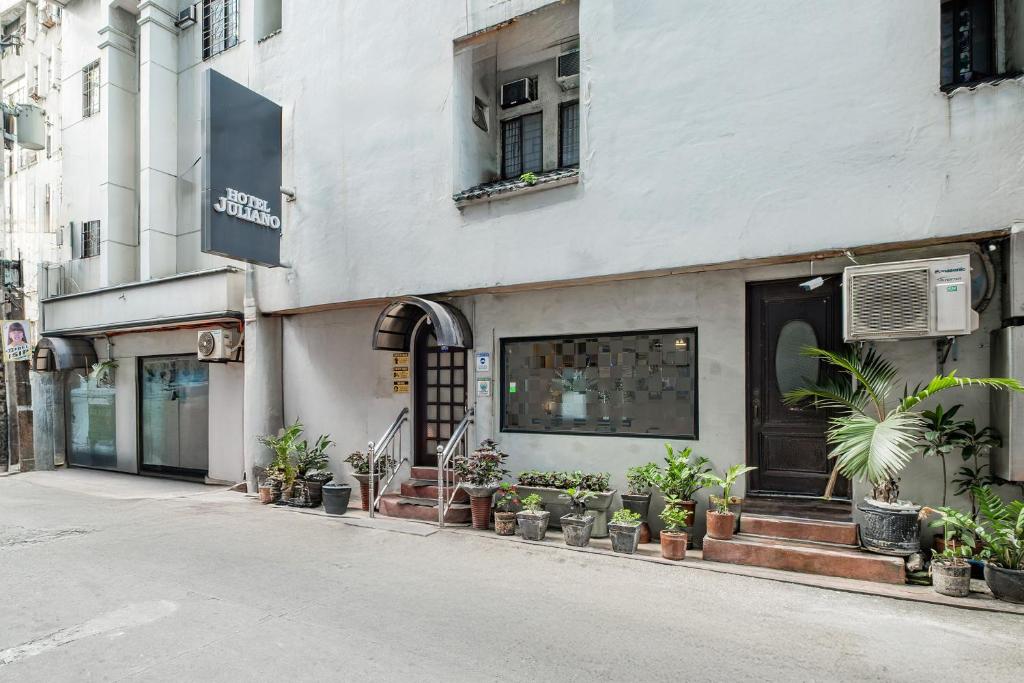
Hotel in Manila
Airobedz Manila
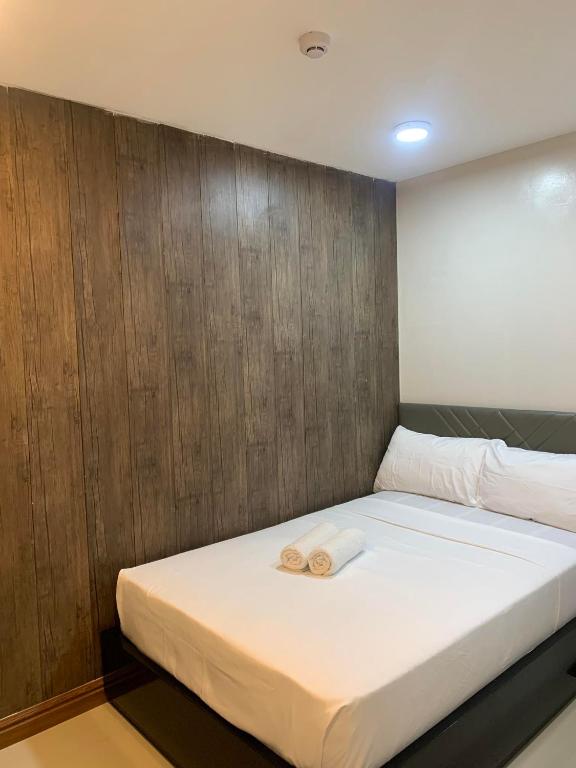
Small, minimalist rooms and a desk that's open all night
See today's offersMetro Manila is not one city but sixteen, joined into a single sprawl of around 14 million people on the eastern shore of Manila Bay. The City of Manila itself holds the old Spanish walled town of Intramuros, Rizal Park and the bayfront; Makati is the financial district; Pasay has the international airport and the big malls and convention halls on reclaimed land by the bay. Traffic between them can be slow, so the neighbourhood you pick decides how much of your trip is spent in a car.
The places we list are mostly practical city stays: budget hotels, dormitels, serviced residences and a few short-let studios. Use the filters below to compare them by area and type, or read the neighbourhood guide first if you are not sure where to base yourself.
19 hotels
Hotel in Manila
Small, minimalist rooms and a desk that's open all night
See today's offersHotel in Manila
Furnished rooms with round-the-clock security, for short visits or longer stays
See today's offersHotel in Binondo, Santa Cruz & Sampaloc
Space-themed budget rooms on the busy streets of Santa Cruz
See today's offersApartments in Makati & BGC
A private studio in Makati for solo travellers and remote workers on a budget
See today's offersHotel in Makati & BGC
A small Makati hotel right by Ayala Malls Circuit and its event venues
See today's offersHostel in Binondo, Santa Cruz & Sampaloc
A budget dormitel on España Boulevard, in the heart of Manila's University Belt
See today's offersHotel in Intramuros, Ermita & Malate
Free parking and an in-house restaurant within reach of Intramuros
See today's offersHotel in Intramuros, Ermita & Malate
Rizal Park on the doorstep and Manila Ocean Park a short walk away
See today's offersHotel in Pasay, the Bay Area & the airport
No-frills air-conditioned rooms on the bay side of Pasay, handy for the Mall of Asia Arena
See today's offersHotel in Makati & BGC
Makati rooms near Makati Avenue, with a terrace and restaurant downstairs
See today's offersHotel in Intramuros, Ermita & Malate
Modern en-suite rooms in Malate, a 15-minute walk from the Manila Bay shore
See today's offersHotel in Pasay, the Bay Area & the airport
A Pasay base minutes from the trade-fair halls, with the bayfront close by
See today's offersHotel in Intramuros, Ermita & Malate
Spacious suites, a gym and a sunset terrace, seven minutes from the bay
See today's offersHotel in Pasay, the Bay Area & the airport
A Pasay hotel with its own restaurant and bar, close to the trade-fair venues
See today's offersHotel in Intramuros, Ermita & Malate
Budget rooms within easy reach of Intramuros and Fort Santiago
See today's offersHostel in Binondo, Santa Cruz & Sampaloc
Air-conditioned budget rooms with private bathrooms near V. Mapa
See today's offersHotel in Intramuros, Ermita & Malate
A boutique hotel with its own spa, about nine minutes on foot from Rizal Park
See today's offersHotel in Makati & BGC
A full-service tower in Poblacion, Makati's nightlife quarter
See today's offersHotel in Makati & BGC
A newer, sociable hotel with a hot pot restaurant and karaoke rooms
See today's offersNo hotels match all of those filters. Remove a feature or choose another area to see more.
"Our order" puts hotels we have fully written up first. Commission doesn't affect the order.
Most visitors choose between the historic districts south of the Pasig River, the bay and airport side of Pasay, and the business towers of Makati. North of the river, Sampaloc and Santa Cruz are busy, local and good value.
Best for sightseeing and Manila Bay sunsets
This is the Manila of the history books. Intramuros, the walled city the Spanish began in the late 16th century, holds Fort Santiago, Manila Cathedral and San Agustin Church, one of the baroque churches on UNESCO's World Heritage list. Rizal Park (also called Luneta) and the National Museum buildings are just outside the walls.
Ermita and Malate run south along Roxas Boulevard and the bayfront, where people gather in the early evening to watch the sun go down over Manila Bay. The streets behind the boulevard are full of small hotels, cafés and bars. It is the most convenient base for a first, sightseeing-led visit, and the LRT-1 line along Taft Avenue links it with Pasay to the south and Santa Cruz to the north.
Best for early flights, concerts and conventions
Pasay covers the stretch between Malate and the airport. Its newer western half sits on land reclaimed from the bay and is dominated by SM Mall of Asia, one of the largest malls in the country, with the Mall of Asia Arena and the SMX exhibition halls beside it. Trade fairs are held nearby at WTC Metro Manila, and the casino resorts of Entertainment City continue south into Parañaque.
It is a practical choice if you are flying in late or out early, or if you are in town for an event at the arena or one of the convention venues. Older Pasay, inland, is more crowded and local, but well served by the LRT-1 and by the EDSA corridor.
Best for business trips, dining and nightlife
Makati is the country's main financial district, with office towers along Ayala Avenue and the linked Ayala malls, including Greenbelt and Glorietta. Poblacion, the old town centre on the northern side, has become one of the city's liveliest areas for small bars and restaurants, and Circuit Makati, a newer development on the site of the old Santa Ana racetrack, adds a mall and event venues near the Pasig River.
Next door, Bonifacio Global City (BGC) in Taguig is a planned district of wide pavements, towers and malls. Both are cleaner and calmer to walk around than older Manila, but rooms tend to cost more, and the historic sights are a taxi ride away.
Best for budget stays and students
North of the Pasig River, Binondo is often described as the oldest Chinatown in the world and is a favourite for food walks. Santa Cruz and Quiapo around it are dense, noisy market districts, home to Quiapo Church and miles of shopping streets. Further east, Sampaloc is the 'University Belt', with the University of Santo Tomas on España Boulevard and many smaller colleges, and Santa Mesa continues beyond it.
Rooms here are some of the cheapest in the city, and the area is well connected: the LRT-1 runs along Rizal Avenue and the LRT-2 heads east along Recto and through Santa Mesa towards Cubao in Quezon City. It suits budget travellers, students and anyone on a longer stay who doesn't need a polished neighbourhood.
Ermita or Malate, if sightseeing is the priority: Intramuros, Rizal Park and the National Museum are within walking distance or a short ride, and the bayfront is close for sunsets. If you prefer a polished area with lots of restaurants and don't mind taxis to the sights, Makati is the usual alternative.
Pasay is the closest district to Ninoy Aquino International Airport, and the Bay Area around Mall of Asia is also near. Even so, allow plenty of time: Manila traffic is unpredictable, and the airport has several terminals that are not all next to each other, so check which one your airline uses.
Taxis and ride-hailing apps are the easiest option for most visitors. The LRT-1, LRT-2 and MRT-3 rail lines are cheap and avoid the traffic, though they are very crowded at rush hour. Jeepneys cover almost every route but take some getting used to.
Makati, in most cases. The offices, banks and many embassies are there or in nearby BGC, and the area is designed around walking between towers and malls. Ermita and Pasay make more sense if your meetings are at a convention venue by the bay.
The dry season, from about December to April, is the most comfortable. March to May is the hottest stretch. The wet season usually runs from around June to October or November and can bring typhoons, so keep plans flexible and check forecasts if you travel then.