Guesthouse in San Pedro market & the south-west
Casa Medina Hostal Cusco
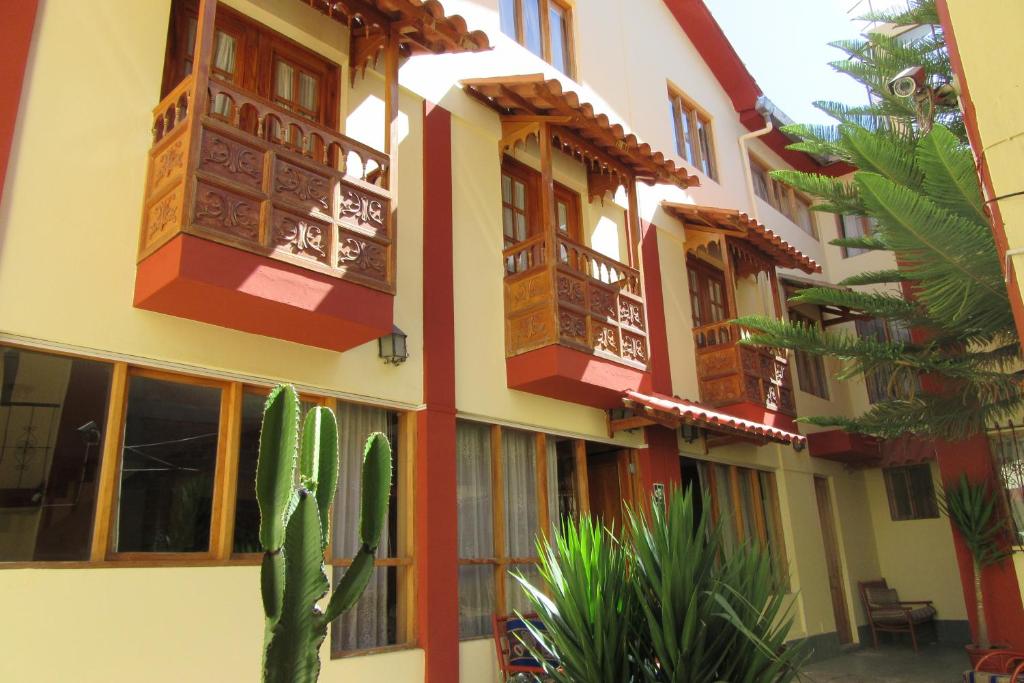
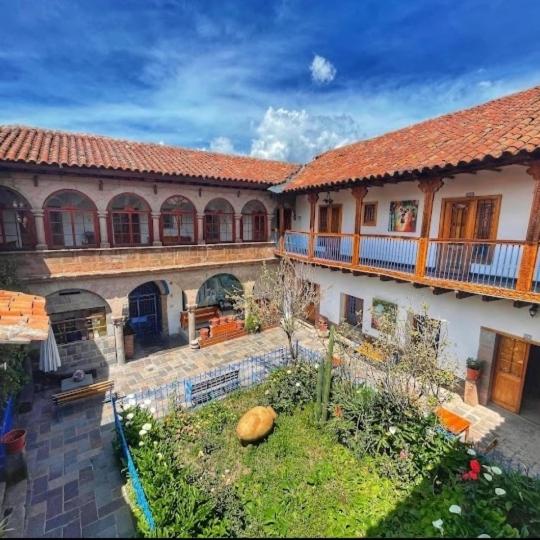
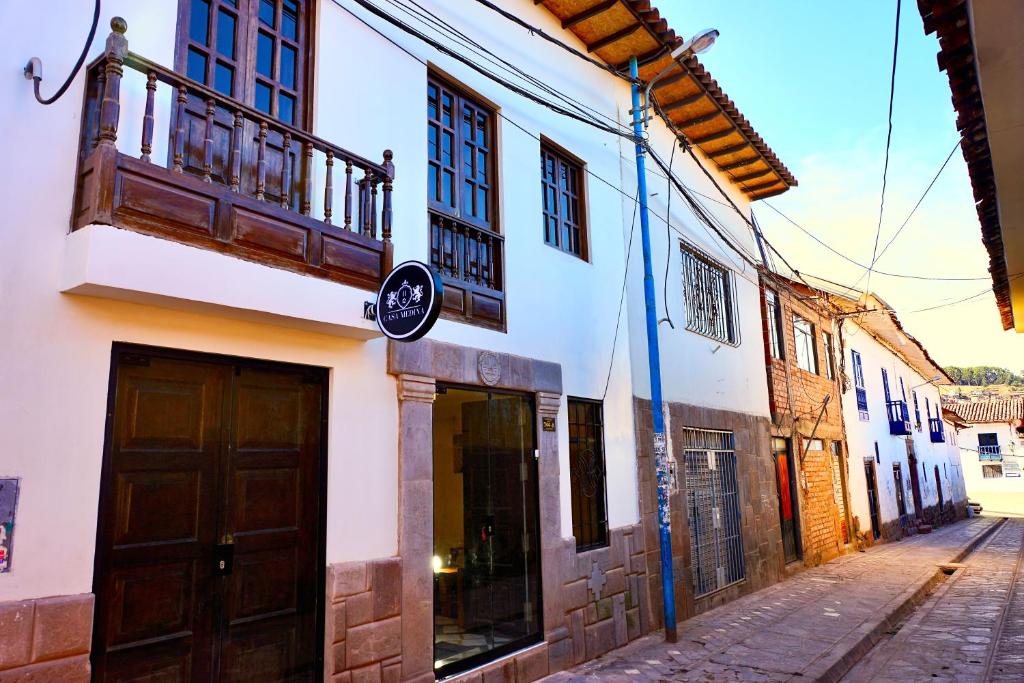
Balcony rooms, a sun terrace and a hot tub, a few steps from San Pedro station
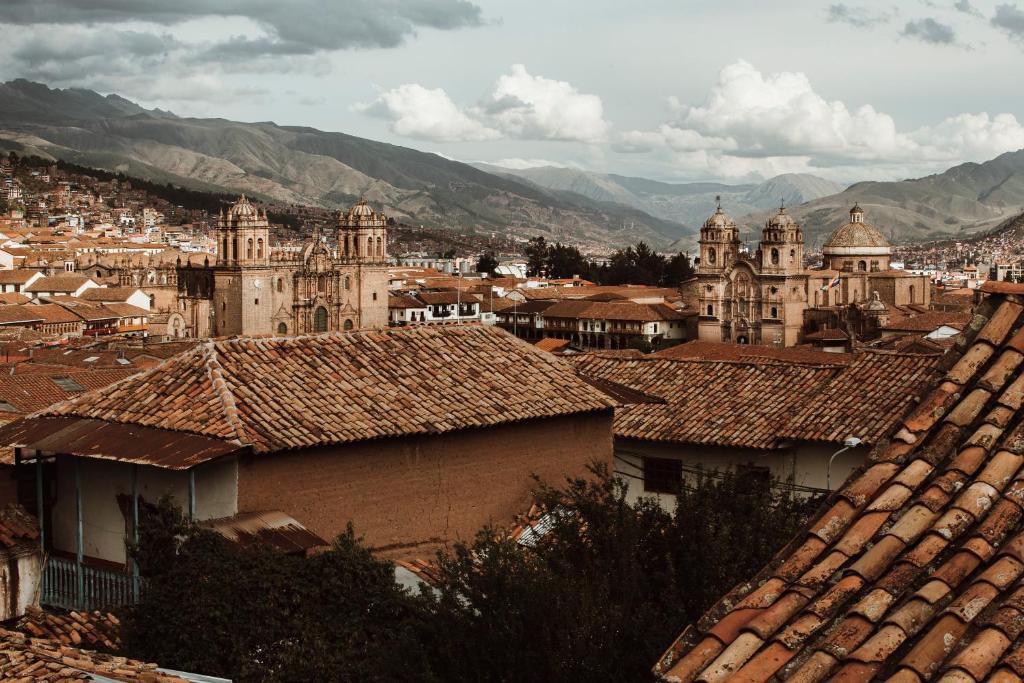
See today's offersCusco was the capital of the Inca Empire, and you can still see it in the walls: Spanish churches and colonial mansions sit on top of finely fitted Inca stonework all over the old town, which is a UNESCO World Heritage Site. For most visitors it's also the starting point for the Sacred Valley and Machu Picchu, so the city tends to be both a destination and a base.
The city sits at roughly 3,400 metres above sea level. That shapes the trip more than anything else: many people feel the altitude on their first day or two, and the steep lanes around the centre make even short walks harder work than they look on the map. Picking a hotel on flatter ground, or within a few minutes of the Plaza de Armas, makes a real difference.
The places we list are mostly small and independently run: family guesthouses (hospedajes), small hotels and hostales. Filter them by area below, or read the guide first.
5 hotels
Guesthouse in San Pedro market & the south-west
Balcony rooms, a sun terrace and a hot tub, a few steps from San Pedro station
See today's offersGuesthouse in Plaza de Armas & the Historic Centre
Family rooms with city views, 600 metres from Cusco Cathedral
See today's offersGuesthouse in San Pedro market & the south-west
Good-value rooms with breakfast, a short walk from San Pedro market and station
See today's offersHotel in Plaza de Armas & the Historic Centre
City-view balconies and a sun terrace, a few blocks south of the plaza
See today's offersGuesthouse in Plaza de Armas & the Historic Centre
An adults-only base with a garden and a kitchen of its own, near La Merced
See today's offersNo hotels match all of those filters. Remove a feature or choose another area to see more.
"Our order" puts hotels we have fully written up first. Commission doesn't affect the order.
Almost everything a visitor needs is within walking distance of the Plaza de Armas. The main choice is between the busy centre itself, the hillside lanes of San Blas, the market streets to the south-west, and the flatter, more modern districts along Avenida El Sol.
Best for first visits and short stays
The Plaza de Armas is the heart of the city, framed by the cathedral, the Jesuit church of La Compañía and arcades full of cafés and travel agencies. The streets around it hold Qorikancha, the Inca sun temple later topped by the Santo Domingo convent, and the La Merced church a few blocks to the south-west.
Staying here puts restaurants, tour operators and cash machines on your doorstep and keeps walking to a minimum, which helps in the first days at altitude. It is also the busiest and most expensive part of town, and streets near the square can be noisy at night.
Best for views and a creative, village feel
Cusco's artisans' quarter climbs the hill north-east of the plaza, a tangle of whitewashed houses, blue doors and stepped lanes. It is known for workshops, small galleries, cafés and bakeries, and for views back over the terracotta rooftops. The walk from the plaza passes Hatun Rumiyoc, the street with the famous twelve-angled stone.
San Blas is a favourite for longer stays and for couples. The trade-off is the gradient: the lanes are steep and many are stepped, so taxis can only reach some streets, and the climb is tiring until you have acclimatised.
Best for budget stays and local life
San Pedro is Cusco's big central market, a covered hall selling fruit, cheese, bread, juices and set lunches alongside crafts, and the streets around it are some of the most local in the centre. San Pedro railway station is right next to it.
Hotels here are often cheaper than those around the plaza, which is roughly ten minutes' walk away, and the ground is flatter than in San Blas. The area is busy by day and quieter at night; as in any market district, keep an eye on your belongings.
Best for early flights and the Puno train
Avenida El Sol runs south-east from the edge of the centre past Qorikancha towards Wanchaq, a newer district of wide streets, banks and offices. It is flatter and more modern than the old town and closer to the airport and to Wanchaq station, where trains for Puno and Lake Titicaca depart.
It suits travellers on a tight schedule or arriving late. You give up some of the old-town atmosphere, but the plaza is a short taxi ride or a longer walk back up the avenue.
The historic centre around the Plaza de Armas. You can walk to the main sights, restaurants and tour agencies, which matters while you get used to the altitude. San Blas is a good second choice if you want views and a quieter evening and don't mind a climb.
Take the first day slowly, drink plenty of water and go easy on alcohol. Some travellers start in the Sacred Valley, which is several hundred metres lower, and come up to Cusco afterwards. If you have a health condition, get advice from a doctor before you travel.
Most visitors take a train to Aguas Calientes, at the foot of the site, and a bus up to the ruins. Trains run from Poroy, a short drive from the city, and from Ollantaytambo in the Sacred Valley, with some services from San Pedro station in town at certain times of year. Entry tickets are timed and limited, so book them well ahead and check the current rules.
The dry season, roughly May to September, brings clear days and very cold nights, and it is also the busiest time. The wettest months are usually December to March, and the classic Inca Trail closes each February for maintenance.
Alejandro Velasco Astete airport is only a few kilometres from the Plaza de Armas, and taxis and pre-booked transfers are the usual way in. Many guesthouses can arrange a pick-up for a fee.