Hotel in Bukit Bintang
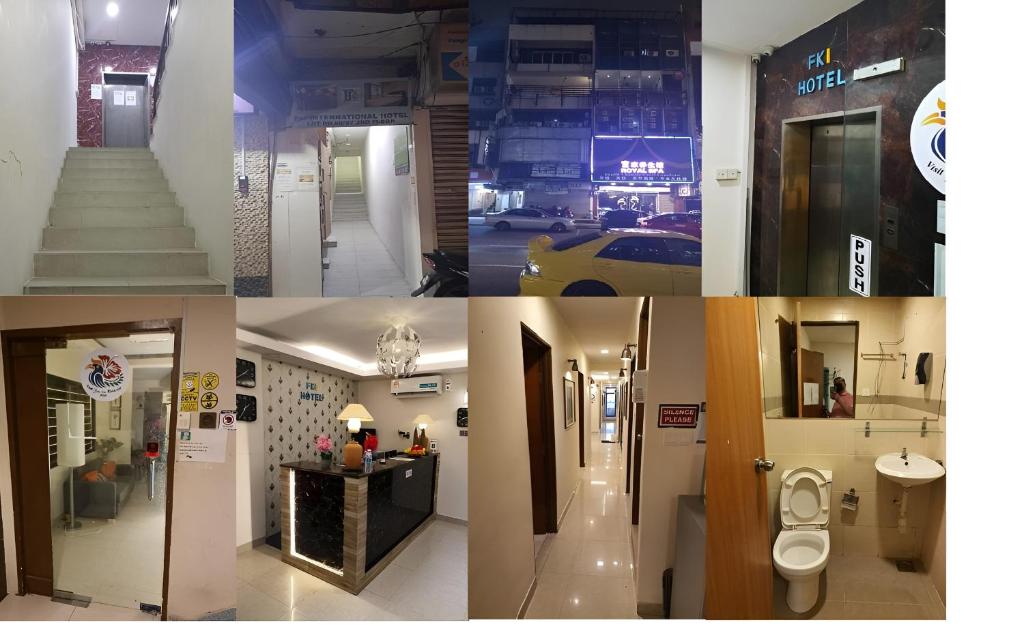
FKI International Hotel
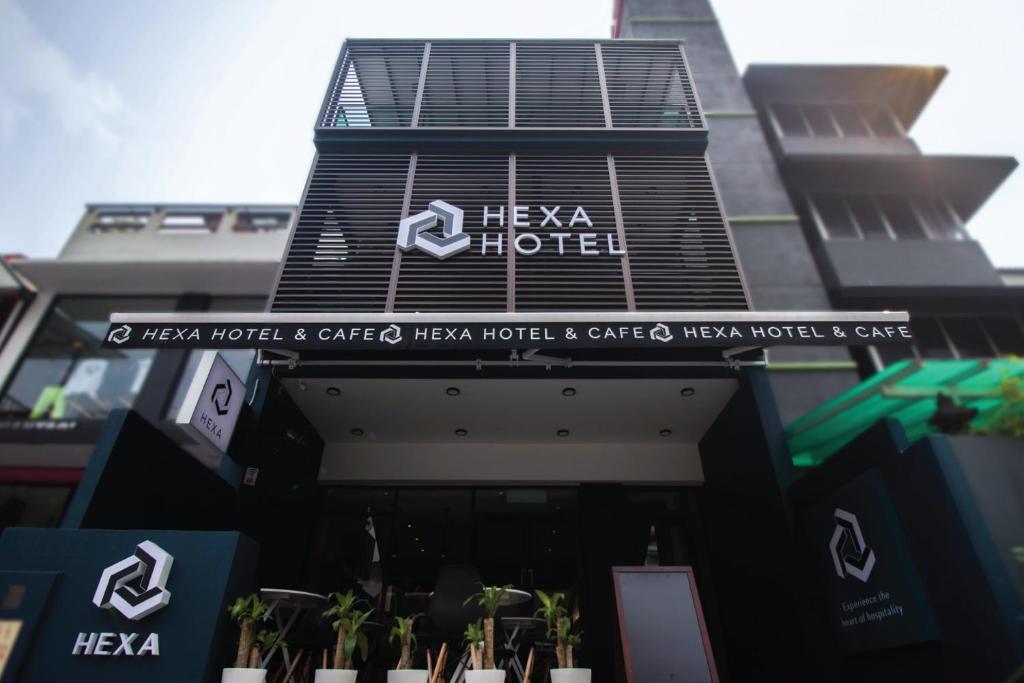
Family rooms with city views on Jalan Bukit Bintang, near Berjaya Times Square
See today's offersKuala Lumpur grew up where the Klang and Gombak rivers meet, and today it is a city of glass towers, colonial landmarks, Chinese shophouses and huge air-conditioned malls, all within a few kilometres. Most visitors stay in the compact centre, known as the Golden Triangle, where shopping, street food and nightlife are packed close together.
The hotels we currently list are all in Bukit Bintang, the city's main shopping and entertainment district. Compare them below, and use the area guide to see how Bukit Bintang compares with KLCC, Chinatown and the transport hub at KL Sentral.
5 hotels
Hotel in Bukit Bintang
Family rooms with city views on Jalan Bukit Bintang, near Berjaya Times Square
See today's offersHotel in Bukit Bintang
A sociable Bukit Bintang base with a family restaurant, shared kitchen and terrace
See today's offersHotel in Bukit Bintang
Family and interconnecting rooms above a Middle Eastern restaurant in Bukit Bintang
See today's offersHotel in Bukit Bintang
Stylish rooms on Changkat, KL's bar street, with room service round the clock
See today's offersHotel in Bukit Bintang
Rooms for two with city views on Bukit Bintang's main street
See today's offersNo hotels match all of those filters. Remove a feature or choose another area to see more.
"Our order" puts hotels we have fully written up first. Commission doesn't affect the order.
Bukit Bintang and KLCC sit side by side in the Golden Triangle and are linked by a covered walkway. Chinatown and Merdeka Square are the historic core to the west, and Brickfields surrounds the main railway station.
Best for shopping, street food and nightlife
Bukit Bintang is where KL goes shopping. Pavilion Kuala Lumpur, Lot 10, Sungei Wang Plaza and Berjaya Times Square are all within a short walk of each other, and the area stays busy late into the night. Jalan Alor, one street back, turns into one of the city's best-known food streets each evening, and Changkat Bukit Bintang, up the hill, is lined with bars and restaurants.
It is well connected, with an MRT station and monorail stops, and the Petronas Twin Towers are reachable on foot via the elevated walkway from Pavilion. Hotels range from small boutique places on the side streets to big international names. Expect noise around Jalan Alor and Changkat at night.
Best for skyline views and business trips
The Kuala Lumpur City Centre area is built around the Petronas Twin Towers, which held the title of the world's tallest buildings from 1998 to 2004. At their base are the Suria KLCC mall, the landscaped KLCC Park with a children's water play area, the Aquaria KLCC aquarium and the Kuala Lumpur Convention Centre.
It feels more polished and calmer than Bukit Bintang after dark, and hotels here are generally larger and pricier. It suits business travellers and anyone who wants a room with a tower view.
Best for history, markets and budget stays
KL's oldest quarter is around Petaling Street, with its covered market, kopitiams, temples and restored shophouse cafés. Central Market (Pasar Seni), an Art Deco hall full of crafts, and the Sri Mahamariamman Temple are close by. A short walk north, Merdeka Square is where Malaysia's independence was declared in 1957, overlooked by the Moorish-style Sultan Abdul Samad Building.
Chinatown has many hostels and good-value hotels and is well served by LRT and MRT stations. It is lively by day and quieter late at night than Bukit Bintang.
Best for airport trains and day trips
KL Sentral is the city's main rail interchange, where the KLIA Ekspres from the airport, intercity trains, the KTM Komuter (including the line to Batu Caves), the LRT, the MRT and the monorail all meet. Next door, Brickfields is KL's Little India, with sari shops, banana-leaf restaurants and temples.
Staying here makes early flights and day trips simple. The National Museum and the Perdana Botanical Gardens are a short ride away, and Bukit Bintang is a few monorail stops east.
Bukit Bintang suits most first-time visitors: it has the biggest choice of hotels, food and shopping, good rail links, and the Petronas Twin Towers are walkable via the covered walkway. Chinatown is a cheaper alternative closer to the historic sights.
The quickest public option is the KLIA Ekspres train to KL Sentral, taking around 30 minutes, then the monorail or a short ride-hailing trip to Bukit Bintang. Buses and taxis also run from both KLIA and klia2, and by road the journey usually takes about an hour, depending on traffic.
Bukit Bintang if you want street food, bars and a wide range of prices on your doorstep. KLCC if you prefer a calmer, more upmarket area with views of the Twin Towers. The two are linked by an elevated walkway, so you can easily visit one from the other.
KL is warm and humid all year, so there's no real off-season. Heavy afternoon thunderstorms are common, particularly around the monsoon transitions in roughly March to April and October to November, but they usually pass quickly. Plan indoor sights such as museums and malls for the afternoons.
The MRT, LRT and monorail cover the centre well and are inexpensive, and ride-hailing apps are widely used. Walking in the Golden Triangle is easy, helped by covered walkways between some malls, though pavements elsewhere can be patchy.